“I’ll Be Strong When You Can’t Be” – Depression In A Relationship

Insight

“I’ll Be Strong When You Can’t Be” – Depression In A Relationship

How can you deal with the dark shadow of depression in a relationship? What are the challenges you have to face?
“I’ll Be Strong When You Can’t Be” – Depression In A Relationship

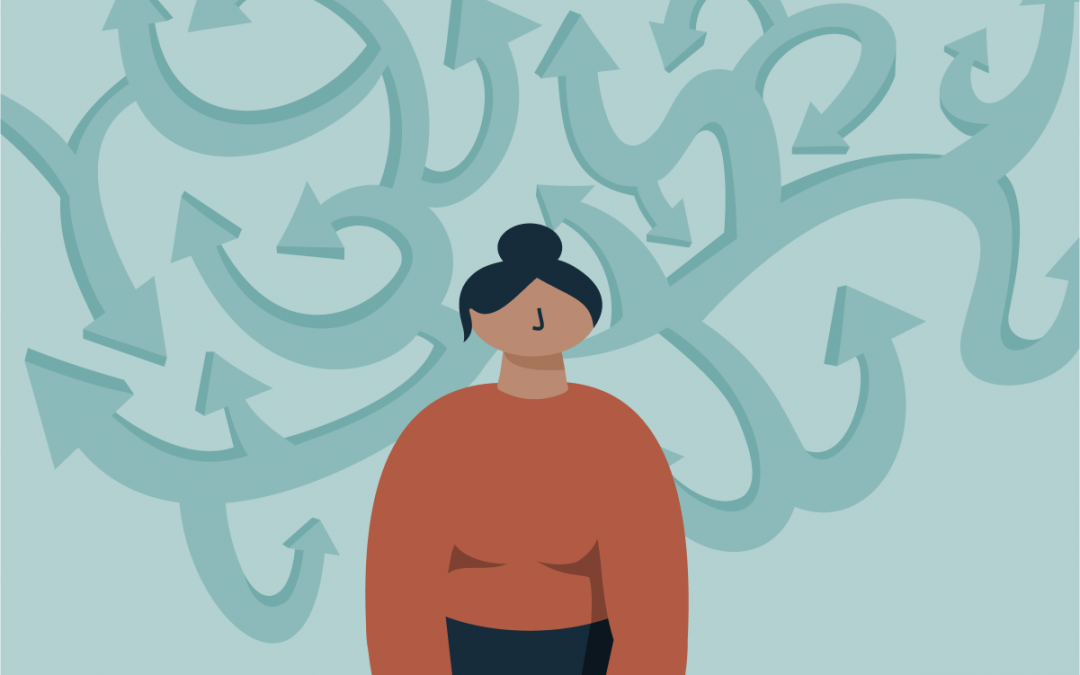
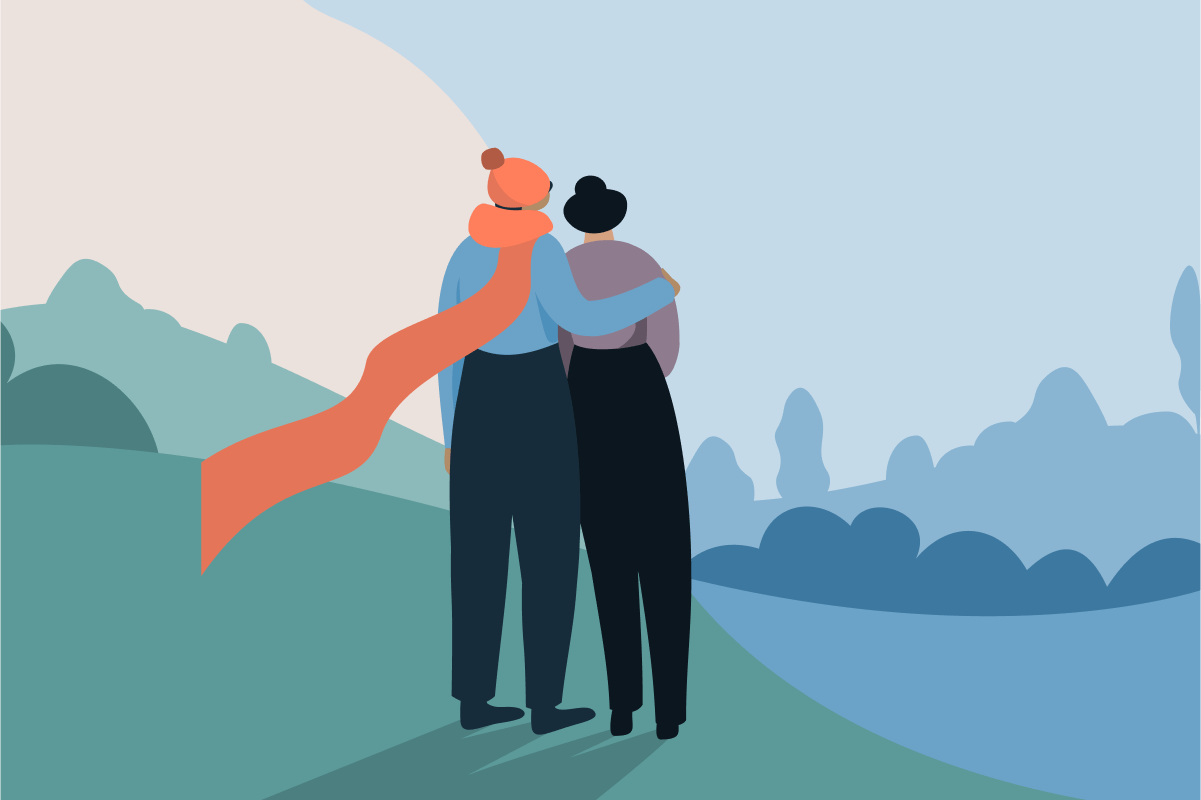
It is normal for a depression to have a strong impact on life. A lot of things are bound to change with the illness. If the person you love suffers from depression, both partners are affected in different ways. Seeing a loved one in pain takes a lot from you. Relatives or partners often feel lost between wanting to be there for the other person and dealing with their own difficulties. In between wanting to help and feeling responsible.


The wild emotional landscape of sorrow, self-doubt, and anger

Countless emotions arise when a relationship is confronted with depression. At first, inevitably there will be concern and uncertainty. Is something wrong with my partner? Why is she not laughing as much as before? Why is he tired more often, irritable, and restless? Are there problems at work, or worse: is it my fault? Am I doing something wrong? Is that why my partner seems less interested in me, more reserved, or doesn’t feel like having sex? The fact that the partner often continues to interact normally with others offers additional reasons for self-doubt. For example, everything might seem as always when they speak on the telephone or friends are over. This friendly, joyful facade is only dropped in private situations.

In addition to insecurity, there simply is grief. Mourning for something that has passed, for a time when everything was ok. If a partner suffers from depression, that often means having lost something across many parts of life. That can just be the lost ease of shared joy or making decisions together.

Sadness and anger lie very close to each other, they even blend. Anger about canceled plans or not a single compliment given is common. “I don’t even know you like this, what is going on?“ is a typical impulse deriving from such frustration. The hidden meaning behind this anger is the desire to regain balance in the relationship: “I don’t want it to be this way, I reject it. Make things change!“

Feeling guilty is a direct result of this. It can be easier to blame oneself than the complex causes of depression. Sentences will then start with “Had I only…“, they range from thinking you are responsible for your partner’s depression (at least in part), not caring enough for the partner, to the feeling that you are not allowed to experience joy or beauty yourself.

And where there is guilt, there is also shame. Much of our identity and self-esteem is derived from our close social environment. If our partner suffers from a depression, not only his or her identity is affected – our own is too. For example, if the partner repeatedly cancels meetings, withdraws or behaves differently among friends, partners may have to explain themselves as well. Such behavior can feel embarrassing and have a negative effect on our self-worth.

Is there a path through this world of shadows?

It is not easy to accompany a partner that is going through a depression. Many relatives and partners receive confusing and mixed messages from the affected person: “Help me but leave me alone!“ In fact, wanting to escape from the situation and wanting to help at the same time is common. All this is perfectly normal. The one you love is changing and that makes you afraid. But how can you overcome these challenges and draw a map of this world?

Accept – The behavior of your partner may seem rejecting and selfish. It is necessary to have a thick skin. It is tricky to accept the depression for what it is, an illness, while continuing to believe in the relationship. Don’t misunderstand depression as a weakness of character, a matter of education or just the mood – acknowledge it as a complex illness. Gaining this insight is not easy. If you love someone, you have to face your own resistance to accept his or her condition. Therefore, it is helpful to get thoroughly informed about the nature of a depression. You should also let your partner know that it’s ok for them to be the way they currently are.

Be patient – The most difficult tasks are staying in touch with your partner and encouraging him or her, even if they turn away, refuse to accept help and do not show any affection. This includes understanding their behavior as part of the illness and not taking it personally. Acknowledge that your partner is “not able to“ rather than “not willing to“. For someone enduring a depression, it’s important to know that they are not alone in this black hole. It is good to know that someone is there for you if you need them.

Have conversations – even if your partner shuts him-/herself off – It helps to talk openly about the depression, without pressuring or trying to analyze your partner. This is the only way to understand how a depression feels and what your significant other needs in that moment. Questions that appeal to the specific strengths and qualities of the person are better than digging for what might have caused the depression. However, sometimes it is best to simply “just“ listen – be there and say nothing at all.

Ad: In partnership with BetterHelp. We may earn a commission if you sign up through this link.

Ad: In partnership with BetterHelp. We may earn a commission if you sign up through this link.

Avoid giving advice that’s message is “I know what’s best for you“ – When confronted with a problem our brain tends to go for quick solutions. But if we tell a person going through depression how to overcome the illness, we are in danger of playing it down. Even though it might not be intentional, this can promote feeling guilty about shortcomings in your partner.

We usually give this kind of advice to free ourselves from feeling powerless. “Well, now that I’ve given you a tip, it’s your turn again.“ The partner, however, sees the world through the “grey glasses“ of depression. And these are very real for him or her. Saying things such as “Take a few days off and go somewhere“ or “Other people are in a much worse situation, you have everything you need“ are pure poison! Encouraging sentences are much better: “We don’t have to talk about the past or the future right now. Do what you can today. I’m here if you need me.“

Accompany, don’t patronize – The course of a depression can be influenced by the way we interact with our partner. It is of great significance to pay attention: When is support really wanted – and when not? Relieving your partner of all his or her duties can make him or her feel unneeded and useless. And that possibly intensifies depressive symptoms and the sentiment of “failing anyway“. It is more effective to boost daily routines like getting up together, having meals for two, or taking regular walks.

Self-care – Being with a person that is suffering from depression means constantly walking a fine line between the needs of the “we“ and the needs of the “I“. If we love someone, we have an urge to take responsibility for their pain and healing. It is important to remember that depression is the illness of your partner and not your own. If compassion gets out of hand, you turn into a helpless helper. Therefore, it is crucial to remember your “self“ and your boundaries. Accompanying a depression is very demanding. And it is only possible to bring up the strength if you are feeling well yourself. Meet friends, treat yourself from time to time. And live your own life. That way you can create a healthy distance and recharge your batteries.

Encourage getting help – The more we know about the nature of depression, the better we can understand our partner. But that also includes being mindful. What are the limits of what is feasible? And, very important: At which point is professional help called for? Depression is always a reason to seek support. Especially if the partner mentions suicidal thoughts. In many cases, psychotherapy can be the anchor. Not only can therapy help with the treatment of depression, it can also help save the relationship. But more often than not the person affected will not be able to find the energy to see a therapist. They might feel it’s unnecessary, blame themselves for their condition, or not even realize the condition they’re in. Then it is important to encourage those affected to seek help.

Ad: In partnership with BetterHelp. We may earn a commission if you sign up through this link.
Stress And Depression – Brothers In Crime

Stress And Depression – Brothers In Crime

„I am so stressed “– A sentence we hear almost daily from colleagues, friends and family. Today, stress is often seen as a very negative influence: It can even contribute to the onset of mental illness.

These Are the Signs of Depression to Look Out for

These Are the Signs of Depression to Look Out for

What are the signs of depression? “I am so depressed” is something we say sometimes without giving it much thought. However, depression is a serious and clearly defined mental illness that requires professional help.

Start today

Download the MindDoc App to help you on your way to a better emotional wellbeing.

From over 45.000 ratings

App Store
Play Store
MindDoc App

Why Some Don’t Ask for Help – Depression & Taboos

Insight

Why Some Don’t Ask for Help – Depression & Taboos

While you may be silently wondering whether you are currently struggling with depression, you’d be surprised to know how many others are invisibly sharing that same boat with you. While some don’t dare to ask for help, depression affects so many of us – but we don’t talk about it.

Why Some Don’t Ask for Help – Depression & Taboos

Even among experts, depression was occasionally labeled as the “common cold of psychopathology”. What at first seems like nothing more than a harmless comparison can be quite offensive at second glance: Struggling with depression is not like tackling a cold: Joylessness, feelings of worthlessness, sometimes even suicidal thoughts are clearly not on the same level as a cold. However, the comparison does draw attention to something interesting: Depression is a very widespread disorder.


Understanding Mental Health

The first step in breaking the taboo around mental health is understanding it better. The more we realize how common it is, the easier it will be to stand in this together. In the past year alone, roughly every twelfth person in the US struggled with a depressive episode. Over the span of one’s life that rate doubles! That makes depression one of the most common mental disorders in the world.

Now, we’ve all felt “depressed” before and we’ve all experienced individual symptoms of depression at some point in our lives. In other words, we are human. Sadness is an essential part of the human experience and dealing with loss, disappointment, and sadness is just a part of that deal. However, there are many important differences between sadness and depression.

Understanding mental health means understanding that, while depression shouldn’t be compared to a cold, it is helpful to view our psychological and emotional world as worthy of our attention. We are all aware of how important a healthy lifestyle is. While some attend to it better than others, almost all would go to a doctor when they are legitimately sick. Why is that still different for mental health? Luckily, we are in the midst of a positive change regarding this. Even rappers are opening up about Mental Health.


Taboos and their rug-sweeping powers

When certain things cannot be spoken about, those things become bottled up. They do not, however, go away – no matter how hard we try to ignore them into oblivion. While the taboo around depression concerns all of us, there is evidence that suggests it is particularly harmful to the men struggling with depression. Even though women are twice as likely to struggle from depression, it is men who die more from suicide. And, shockingly, between the ages 15 – 24 suicide is the second leading cause of death.

As a society, we should all take responsibility for this together. We need to find a way to give the people suffering silently a way to speak up about these difficulties. No more sweeping these things under the rug! Mental health, and the people struggling with it deserve our full attention.

Fighting the taboo with knowledge – The basics

“Depression” is actually a simplification of the official term “depressive episode”. In a sense, the second term is more hopeful because it indicates that this is a phase. This is not a life-long condition and with the right treatment, this phase will pass again.

So, what’s the problem? People often downplay their experiences, delegitimize what they are feeling and don’t seek depression help very often. But did you know that a psychotherapeutic treatment can cut the duration of a depressive episode in half? Untreated depressive episodes, on the other hand, can last several months, and in extreme cases, even years.

For some, a depressive episode will return in the future. This is called ‘recurrent depressive disorder’. But even if the risk of relapse is there, a depressive episode is a disorder with a very good chance of recovery. When the depressive episode is over, most people find back to a life in which they are okay and experiencing the very ordinary ups and downs of life – without the grey veil of depression.

A depressive episode can be further differentiated into ‘mild’, ‘moderate’, or ‘severe’. The severity of depression depends on the number of core and additional symptoms.


Mild depressive Episode

Two core symptoms and two additional symptoms

The affected person suffers. Private and professional routines are doable, but still difficult to cope with, because the person’s performance level decreases.


Moderate depressive Episode

Two core symptoms and three to four additional symptoms

The affected person is suffering so much and feels so restricted that they can no longer fulfil their professional and domestic requirements.


Severe depressive Episode

Three core symptoms and four or more additional symptoms

The person is under severe strain. Suicidal thoughts are a danger to this person. Possibly a stay in a clinic and close care are necessary. Psychotic symptoms could occur.


Accepting help – depression is treatable!

Unfortunately, many people are still ashamed of their struggles and blame themselves for not being able to cope with their lives.

That’s why, above all, one insight is important for those affected and their fellow human beings: a person who is currently struggling with a depressive episode has not just come down with a case of the emotional sniffles. Depression is far more than sadness. It is often extremely difficult for outsiders to put themselves in the shoes and emotional world of an affected person.

Recognizing depressive symptoms as such and getting professional treatment is the first step to recovery. Depression is a disorder that is recognized by medical associations and health insurance companies and can be clearly diagnosed with screenings. It shouldn’t be put off, ignored, swept under the rug, tabooed beyond repair, undermined, or ridiculed. Treating depression means restoring emotional balance and rediscovering the joy in life. It is effective, professional, and worth your time.

After all, respecting the taboo only leads to more isolation – which just increases feeling already present in the hearts and minds of those struggling with depression. It’s time to break the chain!

Ad: In partnership with BetterHelp. We may earn a commission if you sign up through this link.

Ad: In partnership with BetterHelp. We may earn a commission if you sign up through this link.

How?

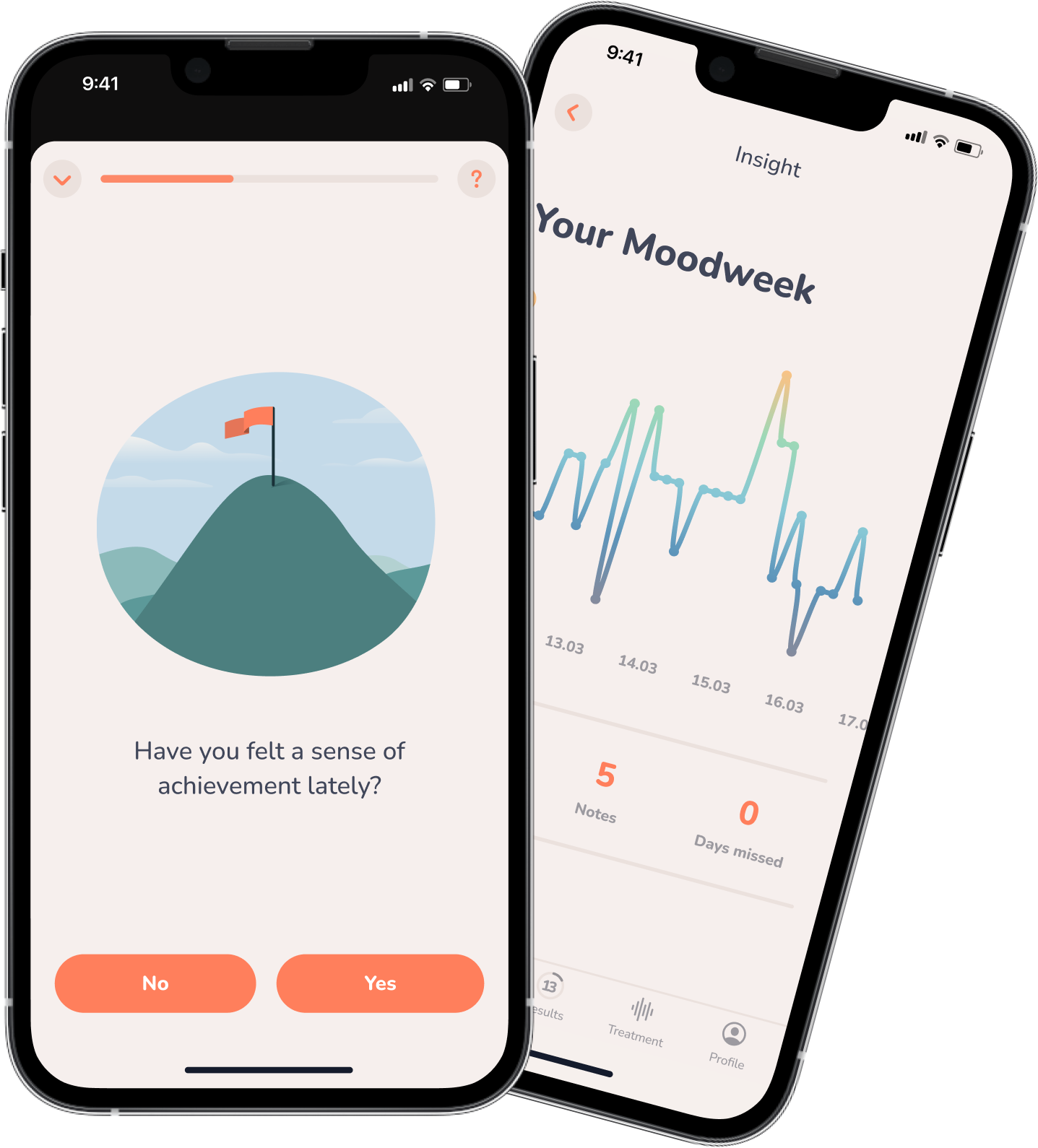
Don’t know where to start? Well, you already did! If you’re unsure what to do now, try out the App MindDoc for free. It will assess your mental health by tracking your mood and inquiring all relevant symptoms of depression. After two weeks you’ll receive a doctor’s letter including the potential severity of a depressive episode. This way you can gain a new perspective on what you are experiencing and you can take this letter to your family doctor as a way to start a conversation.

Are you struggling with suicidal thoughts? Please seek help immediately if these thoughts are burdening you. There are so many hotlines you can call.

Ad: In partnership with BetterHelp. We may earn a commission if you sign up through this link.
Stress And Depression – Brothers In Crime

Stress And Depression – Brothers In Crime

„I am so stressed “– A sentence we hear almost daily from colleagues, friends and family. Today, stress is often seen as a very negative influence: It can even contribute to the onset of mental illness.

These Are the Signs of Depression to Look Out for

These Are the Signs of Depression to Look Out for

What are the signs of depression? “I am so depressed” is something we say sometimes without giving it much thought. However, depression is a serious and clearly defined mental illness that requires professional help.

Start today

Download the MindDoc App to help you on your way to a better emotional wellbeing.

From over 45.000 ratings

App Store
Play Store
MindDoc App

Overwhelmed Instead of Overjoyed: Why Baby Blues and Postpartum Depression Hit so Hard

Insight

Overwhelmed Instead of Overjoyed: Why Baby Blues and Postpartum Depression Hit so Hard

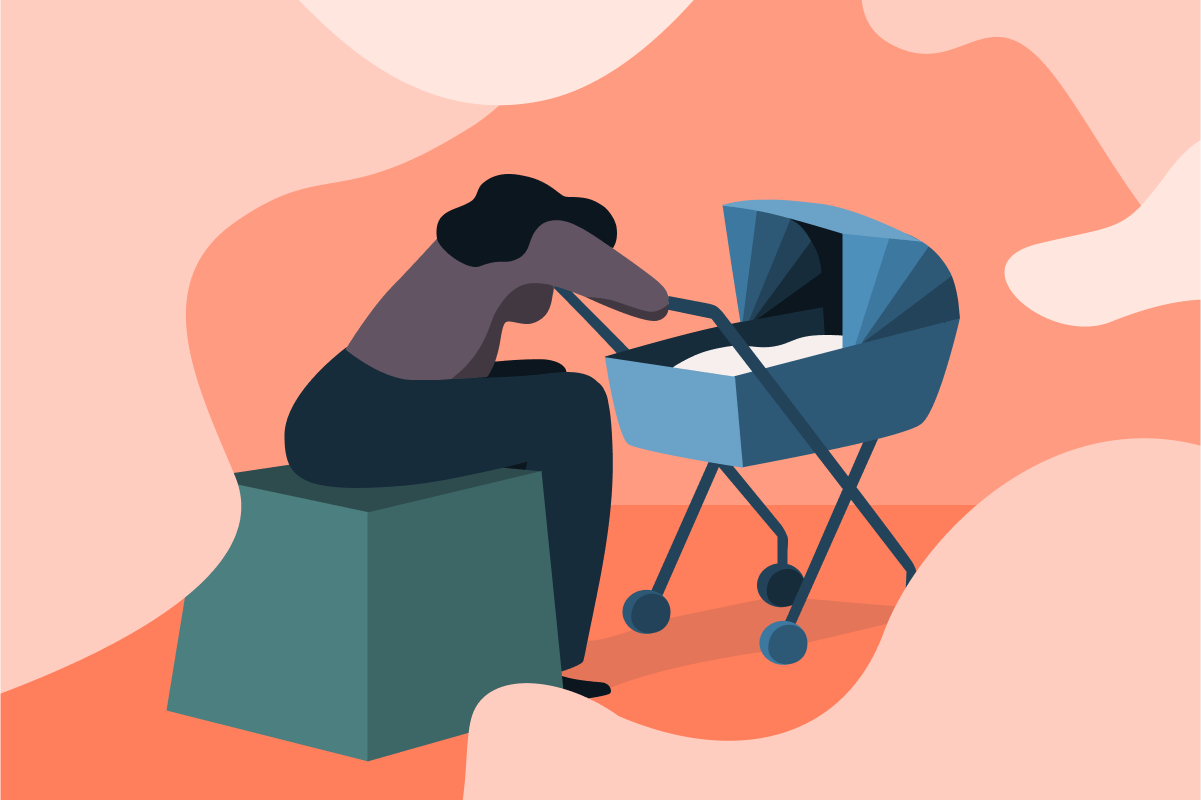
Many women who have just become a mother feel anything but happy. However, this is not unusual! After giving birth there is so much to process – no wonder that it sometimes doesn’t work out as smoothly as planned. But what’s the difference between baby blues and postpartum depression?

Overwhelmed Instead of Overjoyed: Why Baby Blues and Postpartum Depression Hit so Hard

Mood Swings After Birth

Many parents describe it as the “happiest moment of their lives”: The moment their baby is born. A hail of congratulations, advice and well-wishing often signals to a woman, quite directly, how a mother is expected to feel. People often forget that every mother needs time to get a feeling for what she wants her personal motherhood to look like. An exaggerated ideal image of the mother is one of many reasons why the so-called baby blues, or even postpartum depression (as the depression is called which occurs in women as a result of the birth of a child), has been a taboo for so long.

Giving birth means severe stress for the body and mind. Therefore, it’s far from unlikely to fall into a depression afterwards: The baby blues affects about 50 to 70 percent of mothers.

Due to extreme hormonal changes, the baby blues usually starts roughly three to five days after birth. It manifests itself through severe mood swings, sensitivity, frequent crying, anxiety, exhaustion as well as loss of concentration, appetite, and sleep disturbances. This baby blues can last from a few hours up to several days. It usually subsides “on its own” and doesn’t require treatment.

Baby Blues vs. Postpartum Depression

If this emotional low doesn’t subside within two weeks, it’s time to consider the possibility of postpartum depression, also known as postnatal or puerperal depression.

For an official diagnosis, similar to the standard depressive episode, a certain number of symptoms must be present over at least 14 days. However, postpartum depression can linger for up to twelve months after the birth. About 10 to 20 percent of mothers suffer from it. This makes postpartum depression by far the most common mental illness after birth.

What’s often overlooked: The birth of a baby is also a risk factor for depression in men. According to a British study, about four percent of fathers slip into a depressive episode after the birth of their child. This is not due to hormone fluctuations, but rather due to the new and very intense challenge every parent faces.

One’s previous life and relationship with one’s partner inevitably change. Many men are confronted with a new kind of pressure and set of expectations. They may also struggle with feeling excluded due to the usually closer relationship between mother and child in the beginning.

Postpartum Depression

Ambivalent Feelings towards Your Child

Characteristics of postpartum depression are the usual symptoms of depression such as lack of energy, sadness, inner emptiness, feelings of guilt, extreme irritability, lack of interest, apathy, anxiety, and loss of concentration. In postpartum depression, hopelessness is accompanied by ambivalent feelings towards the newborn child. This in turn can increase feelings of guilt. People affected by puerperal depression are often very strict with themselves and don’t believe that they’re caring enough for their child.

Babies sometimes just don’t stop crying – a severe stress test, even for the nerves of the most patient parents. The lack of sleep, which young parents have to get used to at first, can further aggravate the symptoms. People affected by postpartum depression often experience obsessive thoughts, which can sometimes even manifest itself in thoughts of killing themselves or the baby. These thoughts and feelings are extremely straining for those affected. Postpartum depressed mothers often shower themselves with self-accusations and guilt and many feel too ashamed to talk about their symptoms.

At the same time, those affected are usually extremely anxious about the baby’s well-being. This can even lead to panic attacks. Even psychotic symptoms can occur, relatively often (in 1-3 of 1000 cases), in mothers after the birth of a child.


Risk Factors for Postpartum Depression

Due to the radical changes in life and the acute stress situation during and after childbirth, postpartum depression can affect any mother. Nevertheless, there are certain risk factors that place an additional burden on this life-changing experience.

Birth is hard work for the body. Afterwards, a woman is exhausted, but usually cannot rest because the needs of the newborn baby come first. In addition, there are physical changes – the stomach, breasts and metabolism change abruptly. In addition, the hormones go crazy: progesterone and estrogen levels suddenly drop, which can promote depressive moods and sleep disorders.

Women suffering from premenstrual mood swings and women with hypothyroidism are more likely to suffer a depressive episode after birth. If mental illnesses – especially depressive episodes – have already occurred in oneself or in family members, the risk is also higher.

Ad: In partnership with BetterHelp. We may earn a commission if you sign up through this link.

Ad: In partnership with BetterHelp. We may earn a commission if you sign up through this link.

Psychological and Psychosocial Causes

Stress, fear of failure, and unfulfilled, often exaggerated expectations of being a parent can enhance a feeling of inner emptiness. A rigid ideal of what a mother should feel and act like is not helpful in building a relationship with the newborn baby.

Mothers’ expectations of themselves and expectations that are expressed to them from the outside can build up performance pressure. Women often can’t self-identify with the image of a happy, perfect mother – which in turn leads to self-condemnation. And when breastfeeding doesn’t work, many women think they have failed in their role as mothers. Women with tendencies towards perfectionism and a need for control are particularly at risk.

This new social role can also put young parents under pressure at another level: Parenthood is often associated with saying goodbye to one’s own childhood and youth. You cut down on own needs and desires. It can feel like the time of slightly irresponsible, lighthearted fun is over. If there are still deficits from childhood and youth, it becomes more difficult for parents to find their way into their new role. Therefore, traumatic experiences in one’s own childhood also pose a risk.

Those who have previously been working, can perceive parental leave as isolation. Parents who continue to work, on the other hand, are exposed to a double burden: At work they have to function equally despite a lack of sleep, at home they are exhausted and constantly face the needs of that tiny person they still have to get to know first.


Prevention Through Preparation

Many influences play a role in whether a mother or a father fall into depression after the birth of their child: Did one want to become a mother or father? Have they prepared sufficiently for the birth and the time that follows? Do you get enough support from your partner and social surroundings or do you feel left alone with the new task?

When an ordinary baby blues doesn’t go away or when you feel depressed and numb for a while after birth, alarm bells should ring: Postpartum depression is much more common than you think, but unfortunately, it so often goes unrecognized. Nobody should be ashamed of the depressive mood. On the contrary: postpartum depression is a disease caused by severe changes that can occur in any woman. And the earlier the disease is diagnosed, the faster and better it can be treated!


Treatment Helps

Women with puerperal depression often wonder whether they will regret becoming mothers for the rest of their life. Postpartum depression doesn’t necessarily mean that a woman regrets her motherhood. No one should ever believe, that any of this has to do with how much the mother loves her child! Instead, it’s more the access to her emotions that is blocked. Treating this is about restoring that access. Additionally, medication can help restore the neurobiological balance. If the affected mother – or father – feels better, this ultimately also has a positive effect on the relationship with the child, and ultimately also the partnership between mother and father.

Ad: In partnership with BetterHelp. We may earn a commission if you sign up through this link.
Stress And Depression – Brothers In Crime

Stress And Depression – Brothers In Crime

„I am so stressed “– A sentence we hear almost daily from colleagues, friends and family. Today, stress is often seen as a very negative influence: It can even contribute to the onset of mental illness.

These Are the Signs of Depression to Look Out for

These Are the Signs of Depression to Look Out for

What are the signs of depression? “I am so depressed” is something we say sometimes without giving it much thought. However, depression is a serious and clearly defined mental illness that requires professional help.

Start today

Download the MindDoc App to help you on your way to a better emotional wellbeing.

From over 45.000 ratings

App Store
Play Store
MindDoc App

Too Much Stress at Work? Be Aware of These Three Warning Signs!

Insight

Too Much Stress at Work? Be Aware of These Three Warning Signs!

A free weekend or just a single day of hard-earned relaxation can be so important to us. But are we able to relax after all the hard work? Stress at work is all too common and more and more people find it increasingly difficult to just switch off for a while and kick back.

Too Much Stress at Work? Be Aware of These Three Warning Signs!

After work, you head home. It’s time to relax, but instead of enjoying your evening, you just can’t get work off your mind? The phone conference or your upcoming presentation is awaiting you tomorrow and is already consuming your thoughts. Sure, if that happens every once in a while, it’s nothing to worry about. But sometimes we feel constant inner tension from work, even to the point where we can’t get restful sleep or enjoyable relaxation anymore. Do you just feel too wound up? This may be cause for concern.


When does stress at work lead to burnout?

Stress at work is a serious issue for many of us. We can put so much pressure on ourselves, that it becomes too hard to let loose after that. It’s like we can’t find the “off” button anymore. Not being able to switch off after work can eventually lead to a burnout. Pretty much anyone who feels passionate about work and defines their self-worth by what they do could get caught up in the typical downward spiral of burnout. Being passionate about your job is a great thing! It’s when you don’t allow yourself to perform below “excellent”, or to take breaks when you actually need them, that the problems are bound to come.

Burnout’s secret weapon? It takes a while before it really hits us that we’ve already been struggling with burnout for a while. At first, we really enjoy our drive, zeal, and the fact that we’re challenging ourselves so much. We might feel almost irreplaceable in our company and performing well boosts our self-esteem. The problem is that this boost will not last very long and soon we’ll feel the symptoms of stress piling up all around us.

This article will show you three warning signs related to stress at work that you should take seriously. Are you sure that you’re not overworked?


#1 “I must please everyone at work!” (- but what about you?)

We can be so tough on ourselves. Does this sound familiar? “I have to get this done today” or “My project has to be better than this. No one will ever be completely satisfied with my work.”

Maybe you’ve already discovered that your thoughts often revolve around apparent obligations. “I must”, “I have to”, … Now’s a great time to reevaluate if that really is in line with what’s important to you. We often put ourselves under too much pressure. Instead of allowing yourself to want certain things, you may be using force by making yourself believe that you must.

More often than not, this narrative we put on our lives is accompanied by a deep fear that we simply aren’t ‘enough’, that ‘we are failing’, that we’re not meeting the supposed minimum we have set ourselves. Consequently, we’ll get caught up in rumination cycles. Thoughts about our job, even many hours after the work is done, can lay heavy on our minds and even follow us into bed, whispering in our ear. It can be hard to fall asleep or just relax when these thoughts seem to stick to your brain like superglue.

Here’s a tip to overcome this: Integrate mindfulness into your everyday life. Being mindful means, first of all, consciously perceiving one’s own thoughts and feelings. Our autopilot mode, which often determines our stressful everyday life, shouldn’t be given so many shifts. We can get back some awareness, for example, by means of meditation, or simple awareness exercises. In our MindDoc App you can find more information on how to make the first step!


#2 A good night’s sleep seems out of the question

Have you done this before? You’re already under the covers and although your eyelids begin to feel heavy you still quickly glance at your phone – and seconds later you find yourself checking your work emails and your calendar for tomorrow?

If you think about it, it seems kind of obvious: This sort of behavior reduces the chances of healthy, restful sleep. We’ll have a harder time shutting down completely. When we fall asleep with higher stress levels, we sleep worse because the brain will remain active, even during sleep. This can explain why sometimes, even after an entire night of sleep we can wake up feeling not well-rested.

This can quickly lead to a very vicious cycle: Too much stress at work and rumination makes it harder to sleep. And, in turn, with less sleep, we are more vulnerable towards the daily stress we experience. Our bodies have a harder time coping with the stress which makes it even harder to fall asleep while our stress levels start skyrocketing.

The good news: Sleep can be hacked. It is not out of your control. There are so many things we can do to improve our sleep hygiene! Check out our MindDoc App for more help on this.


#3 You avoid even your best friends

Maybe you used to get together with your friends all the time and now you stay at home, order pizza and avoid those social situations? Evenings of relaxed couch-potato-ism can do wonders every now and then. But it will become counterproductive if you withdraw yourself socially for a long period of time. Telling yourself that you are too emotionally exhausted for the presence of others, your inner voice might start saying: “I don’t want to burden my friends with my constant whining about work. I’m hard to be around lately and I don’t want to annoy anyone.” (Sidenote: You’re being too hard on yourself.) And besides, avoiding social contacts and ignoring your problems instead of working them out is not going to solve the problem and they are typical signs that stress has become a severe psychological burden.

If you can relate to this situation, your basic psychological needs might not be in balance. And when our basic psychological needs are out of whack that can have grave consequences. Check out our article on burnout to understand more about the effects of too much stress in the workplace.

Ad: In partnership with BetterHelp. We may earn a commission if you sign up through this link.

Ad: In partnership with BetterHelp. We may earn a commission if you sign up through this link.

Stress And Depression – Brothers In Crime
Stress And Depression – Brothers In Crime

„I am so stressed “– A sentence we hear almost daily from colleagues, friends and family. Today, stress is often seen as a very negative influence: It can even contribute to the onset of mental illness.

These Are the Signs of Depression to Look Out for

These Are the Signs of Depression to Look Out for

What are the signs of depression? “I am so depressed” is something we say sometimes without giving it much thought. However, depression is a serious and clearly defined mental illness that requires professional help.
Start today

Download the MindDoc App to help you on your way to a better emotional wellbeing.

From over 45.000 ratings


App Store
Play Store
MindDoc App

When Fear Becomes A Problem – Anxiety Disorder and Depression

Insight

When Fear Becomes A Problem – Anxiety Disorder and Depression

Next to depression, anxiety disorders are among the most common mental illness in western countries. About one in five Americans have suffered only this past year from an anxiety disorder that requires treatment. The good news? Anxiety disorders are well researched and understood by now. There are treatment options available and they are promising.

When Fear Becomes A Problem – Anxiety Disorder and Depression

Fear is your constant companion?

No human life has ever existed without the experience of fear. It warns and protects us from danger, it’s essential for our survival. So, for starters, being afraid is nothing to worry about. It’s when anxiety has evolved into a constant companion which burdens and limits you regularly, that it can be considered an anxiety disorder and should be taken seriously. There are different types of anxiety disorders. The following five anxiety disorders are what we’re currently working with in psychotherapy:

Panic Disorder

With a panic disorder, we feel literally overcome and overwhelmed by strong fears out of the blue. Several times a month. During a panic attack, we experience very strong physical symptoms such as sweating, a fast-beating heart, shortness of breath, or dizziness.

Agoraphobia

If we suffer from agoraphobia, we feel anxiety in crowds, public places, or while travelling. This usually leads to us avoiding these situations more and more, finally experiencing significant limitations in our lives.

Specific Phobias

Here, fears of very specific situations like thunderstorms, injections or of certain animals are possible. If the fear relates exclusively to particular things (for example, a fear of birds which makes it impossible for you to sit in parks or plazas, solely because of the birds), then we speak of a specific phobia.

Social Phobia

If anxiety arises exclusively in social situations (e.g. speaking to a group, contact with the opposite sex, …) in which we feel evaluated or judged by other people or could feel embarrassed, we speak of a social phobia.

Generalized Anxiety Disorder

GAD for short, plays a special role among anxiety disorders. In this case, the fears do not refer to specific situations and are ‘less intense’ on a physical level than the other disorders. Instead, there are strong, uncontrollable concerns about everyday issues such as one’s financial security, health, or the well-being of the family. GAD is often difficult to distinguish from a depression which can be accompanied by anxious thoughts. If we have the feeling that we are suffering from such a disorder, we should therefore also carefully rule out the possibility of depression.

What distinguishes depression from an anxiety disorder

While fear and physical tension are what dominates anxiety disorders, we can still sometimes take pleasure in things and be in a good mood. When we experience a depressive episode, we have a hard time feeling joy and find it hard to get through our day. In addition, symptoms such as self-doubt, feelings of guilt, poor concentration, suicidal thoughts, and negative thoughts about the future can arise. Physically, a change in sleep and appetite is typical.

And here is where it gets complicated: Even during depressive phases, anxiety can occur. And also, anxiety disorders can lead to depression.


When anxiety and depression overlap

Fears are an important topic in the everyday lives of many people with depression. During depressive phases, many people suffer from anxiety about the future, panic attacks, fear of failure, or rejection. Even fears of everyday activities such as the fear of going shopping or taking the subway can arise. Often these are not an independent anxiety disorders, but rather a consequence of depression. Therefore, it is imperative to treat the depression first, because usually the fears decrease with it.

In other cases, however, it’s the other way around: Anxiety disorders can lead to depression. Then depression occurs as a result of anxiety disorders. An example: Because of anxiety we feel that we can no longer do things that are important to us. We withdraw ourselves from our social environment, no longer travel, no longer go to concerts. Sooner or later this will affect our mood, and, in the worst case, trigger a depressive episode. In this case, just like in the last, it’s important to treat the cause – i.e. the anxiety disorder. Once we can better deal with and overcome our fears and find the chance to actively take our lives into our own hands again, it’s verylikely that also our mood will improve.


Mixed anxiety-depressive disorder

There is also a mixed disorder in which depression and anxiety occur simultaneously and no disorder is a direct priority or cause of the other. Then some depressive symptoms such as listlessness, self-doubt, and sleep disturbances mix with anxiety, e.g. feelings of panic, worries, or fears of social contact. In contrast to the other two cases discussed above, in this case, neither of the disorders are fulfilled completely. Only a few aspects and symptoms apply, so that neither a “depression” nor “anxiety disorder” could be officially diagnosed. Instead, this specific disorder is called “mixed anxiety-depressive disorder”. And treatment sets out to cover both problem areas.

Ad: In partnership with BetterHelp. We may earn a commission if you sign up through this link.

Ad: In partnership with BetterHelp. We may earn a commission if you sign up through this link.

One may ruminate in bed all day – another is terrified of spiders

With mental illnesses you usually won’t get 100% clear answers as to why a disorder has developed. However, a look behind the scenes, asking yourself what might be behind it can help you to better understand and accept yourself and your difficulties. Due to natural dispositions, everyone is vulnerable to one psychological disorder or another – quite similar to how it is with physical illnesses, actually. Some people might have inherited gastrointestinal problems from their grandfather, while others regularly suffer from migraines.

So, this vulnerability is influenced by our genes: If several family members suffer from depression, the chances of getting such a disorder is higher. And for anxiety disorders it is the same.


We are all vulnerable – but in different kinds of ways

Another important factor is the environment in which we grow up. If our parents tell us that the world around us is full of danger and that we should constantly be on our guard, we tend to develop fears. Studies show that we can even “copy” our fears off of human examples. Imagine this: You continuously observe how your mother is afraid of dogs and avoids them – so you begin to develop a fear of dogs yourself.

The tendency towards depressive thoughts and behavior can also be encouraged by our environment. For example, we might take over our parents’ negative view on things or learn from them to believe that we don’t deserve happiness.

Often, vulnerability plus stress leads to disorders. We all have vulnerabilities that, under normal circumstances can usually be dealt with. However, if certain external factors such as persistent stress, emotional stress, or even trauma are added, symptoms such as anxiety or depression can arise, depending on the level of our vulnerability.


Treatment: What we can do about anxiety and depression

The type of disorder we have has important consequences for treatment. In the case of a depressive disorder, it will be important in therapy to learn how to build an active life with enjoyable and relaxing moments, question problematic thought patterns, and gain confidence in contact with other people. Depending on the severity of the depression, prescription of antidepressants may also make sense.

In contrast, anxiety disorders are usually treated only with psychotherapy. Typically, together with your therapist, you will learn to understand your fears better, find strategies for dealing with fear and understand how to seek out and confront those situations that used to cause us so much fear.

If you feel that you are suffering from one of these disorders and you feel limited, it will be helpful to seek professional help. If you want more information and need more initial help on depression and anxiety, then check out our MindDoc App!

Ad: In partnership with BetterHelp. We may earn a commission if you sign up through this link.
Stress And Depression – Brothers In Crime

Stress And Depression – Brothers In Crime

„I am so stressed “– A sentence we hear almost daily from colleagues, friends and family. Today, stress is often seen as a very negative influence: It can even contribute to the onset of mental illness.

These Are the Signs of Depression to Look Out for

These Are the Signs of Depression to Look Out for

What are the signs of depression? “I am so depressed” is something we say sometimes without giving it much thought. However, depression is a serious and clearly defined mental illness that requires professional help.

Start today

Download the MindDoc App to help you on your way to a better emotional wellbeing.

From over 45.000 ratings
App Store
Play Store
MindDoc App

Are Burnout and Depression Two Sides of the Same Coin?

Insight

Are Burnout and Depression Two Sides of the Same Coin?

A common assertion when considering the difference between burnout and depression is that the former is only a euphemism for the latter. Burnout like depression, after all, can lead to self-blame and feelings of inner emptiness, low mood, and pessimism. Is burnout really just another way of saying someone’s depressed?

Are Burnout and Depression Two Sides of the Same Coin?

Our Working Environment and the Fear of Failure

Burnout is a relatively new occurrence that was first publicly discussed in the 1970s. The term arose in relation to social and caring professions: Especially social workers seemed to be more susceptible to “burning out” due to the extreme workload. Today, however, burnout is being used more and more in association with managers in the business world than with nurses or social workers.

And it is true that, very often, burnout can hide an underlying depression or actually be another way of describing depression. Many may choose “burnout” over “depression” because there’s less of a stigma attached. In fact, it implies past achievements and hard work. More commonly, unfortunately, depression is associated with weakness.

However, when one looks closely at burnout and depression, they’ll find that the symptoms are suspiciously similar.


Burnout Is Not an Independent Illness

The term “burnout,” however, does not appear as its own condition in the diagnostic codes catalog used by healthcare practitioners. Rather, it is an additional diagnosis, given in combination with another illness. You can still receive time off from work on the basis of an additional diagnosis, but it is not considered a separate disorder.

The symptoms of burnout aren’t clearly defined, and the official definition is surprisingly vague: “problems related to life-management difficulty .”

In a revision of the catalog, which is expected to be published in 2022, more detailed characteristics of burnout have been included for the first time:

Burn-out is a syndrome conceptualized as resulting from chronic workplace stress that has not been successfully managed. It is characterized by three dimensions:

  • Feelings of energy depletion or exhaustion
  • Increased mental distance from one’s job, or feelings of negativism or cynicism related to one’s job
  • Reduced professional efficacy


Additional Diagnoses and Therapy

Other examples of additional diagnoses, like burnout, are “lovesickness” or “occupational exposure to noise.” However, life crises or very difficult situations do not lead to mental disorders. Only when a person develops a depression, perhaps as a result of these difficulties is a diagnosis made that necessitates treatment.

For someone who is on the brink of burnout, a week away can work wonders, while a vacation for a person in a depressive episode might even worsen the symptoms.


Burnout Sees the Cause, Depression Counts the Symptoms

Unlike burnout, the symptoms of depression are clearly defined. Internationally, they are the same. When diagnosing depression, a doctor or psychotherapist uses only the patient’s symptoms.

Unlike for burnout, the context or circumstances for these symptoms is not part of the diagnosis itself. For a burnout diagnosis, however, context is central. And so, the individual phases of increasing exhaustion are regarded as an explanation model.

Although the clinical picture is virtually the same, when the cause of deep emotional and physical exhaustion is permanent work overload, some experts today prefer to call it burnout rather than depression.


Burnout Is Not Imagined

Although there is no independent burnout diagnosis, this in no way means that those affected are making up their suffering. The symptoms of people affected by burnout are very real and show up in a recognizable pattern.

While depression can either be slow, or sudden and seemingly unfounded, burnout usually develops gradually with predictable, consecutive phases (These phases total three to six depending on the study).


Stage 1 of Burnout: Overworking

The trigger for the burnout process is usually a phase in which those affected invest an excess of energy. This could stem from a passion for the work: In this scenario, you work hard for a period of time often to the exclusion of other activities in your life.

However, the huge expenditure of time and energy on work could also be based in worry: Maybe it’s a fear of rejection or of not being able to finish a project on time. In this first phase of overworking, the threat of burnout is rarely recognized. However, one warning sign might be a difficulty ‘switching off’ for free time.


Stage 2 of Burnout: Indifference

When hard-earned rewards are postponed over and over again, the initial eagerness will turn into frustration. Commitment will decrease, while expectations grow. Those affected may develop feelings of reluctance toward their work, sometimes approaching it with resignation. Work becomes routine and pointless and the person affected may feel emotionally dull, cynical, or less sensitive toward friends and co-workers.

In caring or social professions, for example, nurses or teachers may no longer respond to the problems of patients or students.

People struggling with burnout may react emotionally, even aggressively, to their environment, or may start blaming themselves. In the latter case, the symptoms are nearly indistinguishable from depression.


Stage 3 of Burnout: Despair

Reduced motivation also reduces the willingness to perform. Those experiencing burnout are less able to concentrate, make more mistakes, are less creative, and feel unable to cope with everyday life. Additionally, they can be indecisive and feel increasingly indifferent. Overworking can also result in people withdrawing socially and neglecting other activities they used to enjoy. Boredom and lethargy can set in.

Physical symptoms often go hand in hand with psychological ones. Backaches or headaches, digestive problems, sleep disorders, nightmares, and sexual problems are all typical of someone experiencing burnout, as well as depression. This last stage of burnout, then, has all the common symptoms of depression, making the two practically identical. One literally feels “burned out,” with little hope of improving.


Splitting Hairs or Helping?

In the end, burnout and depression are practically the same thing. That creates a problem, however: If the term burnout is used excessively, we’re running the risk of watering down a depression diagnosis. At the same time, an additional diagnosis also brings its advantages: This way, it’s often a bit easier for people to share their struggles with others. This can be especially true for males who feel pressured by society not to show “weakness.”


Moving Forward

All of this shows that we need to work towards fully accepting depression as a society, in the way we accept burnout. Therefore, the warning signs, no matter what you call them, should be taken seriously.

The good news? There are many treatment options that have proven effective for burnout, including talk therapy, conflict and stress management, self-management techniques that help increase self-confidence, and relaxation exercises.

Ad: In partnership with BetterHelp. We may earn a commission if you sign up through this link.

Ad: In partnership with BetterHelp. We may earn a commission if you sign up through this link.

Stress And Depression – Brothers In Crime

Stress And Depression – Brothers In Crime

„I am so stressed “– A sentence we hear almost daily from colleagues, friends and family. Today, stress is often seen as a very negative influence: It can even contribute to the onset of mental illness.

These Are the Signs of Depression to Look Out for

These Are the Signs of Depression to Look Out for

What are the signs of depression? “I am so depressed” is something we say sometimes without giving it much thought. However, depression is a serious and clearly defined mental illness that requires professional help.

Start today

Download the MindDoc App to help you on your way to a better emotional wellbeing.

From over 45.000 ratings

App Store
Play Store
MindDoc App