5 Ways A Mood Diary Can Guide You Through A Hard Time

Insight

5 Ways A Mood Diary Can Guide You Through A Hard Time

We’re complicated beings – and so are our accompanying moods, which change regularly and sometimes even suddenly. Once we take a moment to examine these moods we’ll realize how changeable – how “moody” we really are. Here are 5 reasons why a mood diary is a great way to observe these differences and map them out.

5 Ways A Mood Diary Can Guide You Through A Hard Time

1. Understand your moods – Discover the links

It’s normal and natural to be “moody”. Feeling strong emotions, especially over a longer period of time, costs our body a lot of energy. That’s why we could feel tired after watching a sad movie, for example. Usually we can’t keep up these moods for too long, because they will become exhausting. Our healthy “default mode” is to have a more fluid change of moods.

When we suffer from depression our “default mode” has gone off the rails and a depressed mood takes over, which we struggle to put back on track. That’s why depression belongs to the category of “mood disorders”. For a diagnosis of depression, the negative mood must last for at least two weeks. Our moods are not meant to last that long, and we feel exhausted. Thus, not entirely coincidentally, fatigue is another main criterion for the diagnosis of depression.

A mood diary can help you find these connections between your emotions, situations you are in, the thoughts you are struggling with and physical complaints you might have. Maybe you’re struggling especially at work, or once you start ruminating, or when you feel especially tired. It can be easier to gain a more immediate understanding of what’s going on with a mood diary – something we’d usually only have in hindsight.


2. Understand Yourself – Moods change

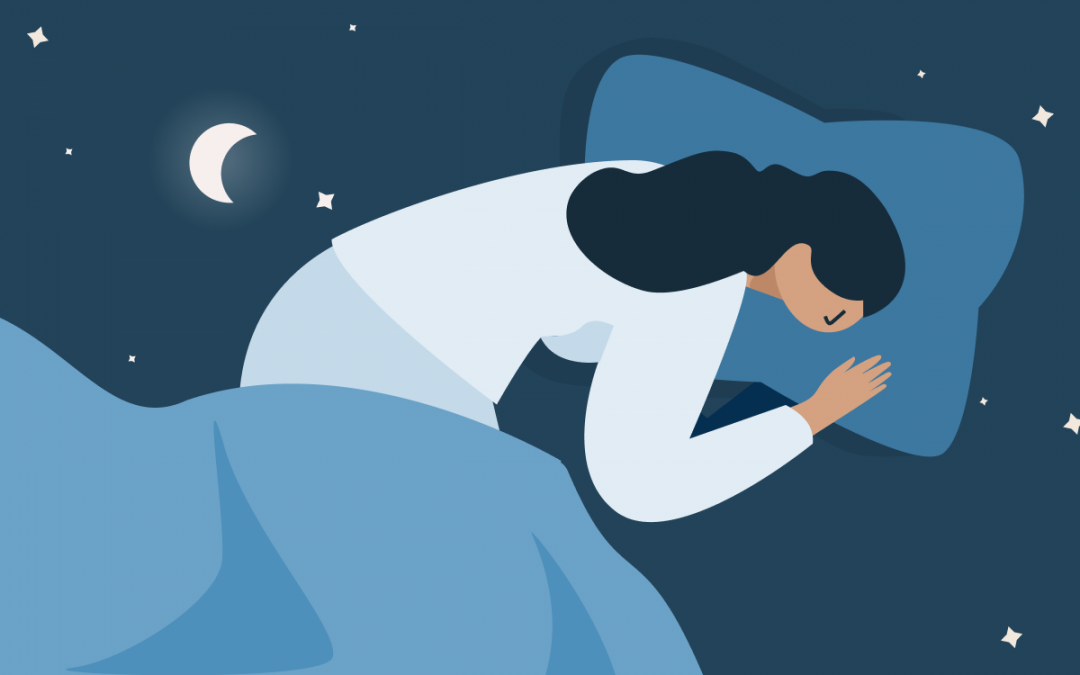
You’ve probably experienced this before: You feel pretty terrible at night, but can’t explain why. The next morning however, you wake up feeling better. It’s almost as if the night magically changed your mood without much happening. Similarly, when we’re a bad mood, all we might want to do is crawl up in bed and shut the curtains. But we probably already know that occasionally forcing ourselves to do activities we enjoy can have a positive impact on our mood. For example, spending time with a friend, or taking a walk in the fresh air.

With a mood diary you could manage to observe these changes, tracking your mood before and after these activities you usually enjoy. This can be very motivating, because it can encourage you to see the impact you have on your own mood. We are not “condemned” to feel bad or terrible forever.


3. Detect distress – A seismograph for well-being

A seismograph is the machine that’s able to trace the tiniest movements in the ground. Those are then graphed, and the deviations are analyzed to detect and predict the outbreak of an earthquake more reliably.

A mood diary should do exactly that: detect the early signs of depressive or manic episodes and enable a quick intervention, hopefully preventing the outbreak of the full clinical disorder.

The old method is to write your mood diary with pen and paper. This could become annoying because you’ll always have to carry it with you and remember to make note of your mood routinely. Also, it will be harder to detect warning signs because obviously you’re not a schooled psychologist and you’d need to evaluate everything by hand. Phones and tablets solve these problems – You always carry your phone in your pocket: An app could remind you that it’s time for the next quick entry and it would evaluate all your answers and its corresponding symptoms for you, making the detection more reliable, exact, and simple.


4. Act – Take off the grey glasses!

When we are in a depressive episode, we see the entire world as if we were looking through dirty grey glasses. Some people struggling with depression can get the feeling that life has always been dark and sad and will always remain that way. That distorts our memories of nice moments we’ve had in the past. It makes us forget all the things we’ve appreciated before – and all the things we are still going to appreciate.

A mood diary fights these thought distortions. Using a mood diary can help us to recognize that there really are fluctuations in our mood and that even though we feel like all week we’ve not laughed once, for example, that might not be true. – Or, it will show us that our mood truly has “lost its balance” and it’s time to seek help and break the cycle.


5. Assist therapy – Overcome depression

If you are struggling with depression or bipolar disorder, a mood diary will enable a simple and quick overview of your mood. It can benefit your doctor or psychotherapist, as well as those close to you. Observing its changes over the course of days and weeks, also during therapy, will assist in analyzing which things are valuable for improving your mood.

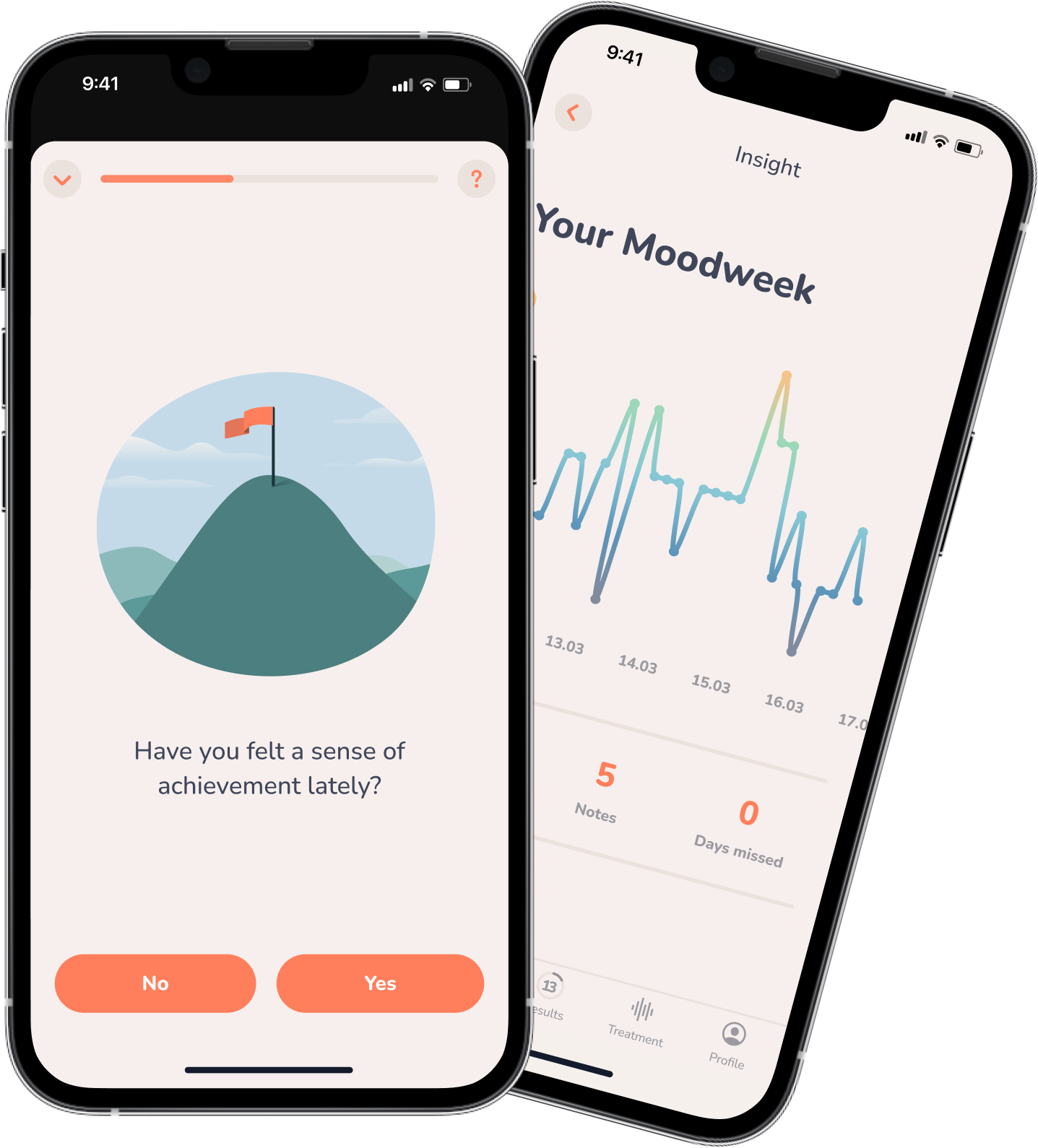
For depression specifically, it will be helpful to look at further factors such as drive, fatigue, thoughts, physical complaints, and so on. MindDoc is an app specifically designed for this. It includes a mood diary and all the relevant factors of depression and it can also be used to assist therapy. After a 14-day period of many smaller “emotional snap-shots” it develops a detailed picture of your mood progression in the form of a doctor’s letter, which you can discuss with your doctor or psychotherapist.

Betterhelp
Take a Moment for Mindfulness

Take a Moment for Mindfulness

This article addresses ways being mindful can improve your overall well-being when life is too fast or overwhelming. This can include helping alleviate depression. Practical suggestions for integrating mindfulness and meditation into your daily life will help you get started.

Cognitive Behavioral Therapy for Depression

Cognitive Behavioral Therapy for Depression

Are you familiar with one of the most evidence-based psychotherapy approaches, called “cognitive-behavioral therapy”? Have you ever wondered what actually happens in a therapy session?

Start today

Download the MindDoc App to help you on your way to a better emotional wellbeing.

From over 45.000 ratings


App Store
Play Store
MindDoc App

The Ten Symptoms of Depression

Insight

The Ten Symptoms of Depression

What are the official symptoms of depression? Luckily, the diagnosis of depression follows the same international standards almost everywhere: For a diagnosis, the symptoms must continue for at least two weeks and they are sorted into two categories.

The Ten Symptoms of Depression

Symptoms are the expression of what a person is experiencing when going through a disorder or illness. Currently, all relevant symptoms of depression are clearly divided into three core symptoms and seven additional ones. For the diagnosis, the combination and number of symptoms is key. However, not all ten symptoms must be present.

Depression can look very different for two different individuals. Which can make it a confusing thing to recognize. The experienced symptoms can vary between men and women, age groups and different personalities. Below you’ll find a detailed description of the symptoms that make up depression.


The 3 Core Symptoms of Depression

In depression, three symptoms form the core piece of the disorder. At least two of these three symptoms must be present for a diagnosis over the course of at least two weeks. The additional symptoms complete the clinical picture.


1. Energy Loss

One of the key symptoms of depression is the loss of drive and energy. Those affected feel constantly exhausted and tired. Often the day already begins with the great struggle of simply trying to get out of bed. Even most trivial daily tasks and engaging in real activities feels draining and overwhelming.


2. Anhedonia: The Loss of Interest and Enjoyment

A loss of interest and enjoyment in the things that usually gave you pleasure is one of the key symptoms of depression. Those affected feel listless and empty. Life seems bland. Often, as a consequence, they neglect friends, withdraw themselves, or completely break off interpersonal contacts. “The little things” in life now remain unnoticed.


3. Depressed Mood

Dejection is the core symptom, mostly referred to as a “depressed mood”. Affected people feel sad or empty inside. Some people describe this condition as a numbness or coldness of feeling. Hopelessness has spread and that feeling of being down feels so strong that even comforting words from others don’t seem to help. There seems to be no solution in sight to what one is feeling.


The 7 Additional Symptoms of Depression

On top of the three core symptoms, there are seven additional symptoms of depression. In a mild depressive episode, two of these symptoms are present, in a moderate episode, it’s three to four. In the case of severe depression at least four, but sometimes even all, symptoms are observed.


4. Reduced Concentration and Attention

The loss of concentration and attention is a common additional symptom of depression. People affected are less receptive, their thoughts wander off and begin to ‘run in circles’ without necessarily sticking to a specific topic. It can be a lot harder to remember things. Studying can feel like getting nowhere and recent events can seem faint.


5. Decreased Self-esteem and Self-confidence

One’s self-image often endures a lot of blows during depression. Those affected don’t believe in themselves and their abilities, they doubt themselves and have the feeling they don’t deserve admiration. It can go so far that people start perceiving everything they do as a mistake. They have negative feelings towards themselves and have a hard time believing the compliments and affection they may receive from friends and family.


6. Feelings of Guilt and Worthlessness

The feeling of unworthiness or even guilt occurs quite often during depression. Unpleasant outcomes, to virtually any event, are often seen as one’s own fault. People with this symptom reproach themselves in a heartbeat. For others these accusations seem usually unfounded – they have no obvious reason. Those affected often regret their actions in retrospect and feel the desire to accuse and punish themselves for them. They might begin to apologize to others for every little thing they say, do, and feel.


7. Pessimistic Thoughts and Views of the Future

Negative thoughts are an additional symptom of depression. One looks at the world as if through grey glasses. Those affected might only see black in their future. It becomes a lot easier to remember the negative rather than positive events. Those affected by depression, lose themselves in these negative thoughts, brood over them and lose the ability to perceive the events around them realistically. Everyday mishaps are fodder for the disproportionately bad world view that has established itself.


8. Suicidal or Self-harming Thoughts

Sometimes all of this weighs so heavily that one starts getting tired of life itself. One might look for a way out of this suffering. Thoughts of suicide are a serious additional symptom of depression. Whoever experiences this symptom, thinks more about death or even about explicit ways of how to put an end to one’s life. It is very important to know that this symptom will disappear with the right treatment. Depression is just a phase and can be treated!

However, if this symptom is very acute, it is extremely important to let others know about it! Don’t keep these thoughts to yourself or tell yourself that you have to suffer alone!


9. Disturbed Sleep

Another additional symptom of depression is insomnia. This includes difficulties in falling asleep or sleeping through the night. With depression, it can happen quite often that you wake up too early in the morning. When this type of sleep pattern occurs with depression, frequently the mood will be particularly depressed in the morning and better itself over the course of the day. This phenomenon is called the “morning low”.

For others struggling with depression, although this happens more seldom, the hours of sleep increase immensely. They feel as if they just can’t get enough sleep.


10. Diminished Appetite

The lessened enjoyment in eating is the final official additional symptom of depression. Very often those affected by depression lose a lot of weight in a short time without intending to, simply because they no longer feel appetite and therefore, just stop eating.

In rare cases, depression can actually lead to an increased appetite. Eating something can feel like one of the little pleasures that remain.


How Do I Know if I Have Depression?

To diagnose depression, one must take a depression test. There are important criteria and questions that need to be clarified. Only a doctor or a psychologist can diagnose a mental disorder, however they usually do it with the help of a test.

If you’re unsure if the symptoms you are experiencing are severe enough to fit the picture, or you’re not sure how to proceed a first step could be testing the free App MindDoc. Over the course of two weeks MindDoc will ask you all depression relevant questions and provide you with helpful information about depression. At the end of those two weeks, MindDoc will generate a doctor’s letter for you with a potential diagnosis. If you don’t know where to start, this could be your first step!

Betterhelp
Take a Moment for Mindfulness

Take a Moment for Mindfulness

This article addresses ways being mindful can improve your overall well-being when life is too fast or overwhelming. This can include helping alleviate depression. Practical suggestions for integrating mindfulness and meditation into your daily life will help you get started.

Cognitive Behavioral Therapy for Depression

Cognitive Behavioral Therapy for Depression

Are you familiar with one of the most evidence-based psychotherapy approaches, called “cognitive-behavioral therapy”? Have you ever wondered what actually happens in a therapy session?

Start today

Download the MindDoc App to help you on your way to a better emotional wellbeing.

From over 45.000 ratings
App Store
Play Store
MindDoc App

What does depression feel like? A description of the disorder

Insight

What does depression feel like? A description of the disorder

In the morning one can hardly get out of bed, at night one can hardly sleep. Everything feels so terribly strenuous, nothing feels enticing. Emptiness, exhaustion, feelings of worthlessness. All these things are signs of depression.

What does depression feel like? A description of the disorder

Almost everything feels meaningless – even the things you used to enjoy most. Emptiness and self-doubts take over. Even everyday tasks like shopping or showering become seemingly insurmountable obstacles. Nothing seems to make sense anymore. It’s like the world has been covered in a gray layer. Many people struggling with depression describe their experiences this way. Sometimes people feel like they won’t ever get back out from that hole again.

We all know what it feels like to be very deeply sad. However, there are essential differences between sadness and depression. For example, unlike acute sadness, depression often does not have a clear or apparent cause for the negative mood. The complaints are there, and they are real, but the reason for them is unclear. Depressive episodes manifest themselves in the form of specific symptoms.


The 10 symptoms of depression

But what exactly are the symptoms of depression? To diagnose depression, psychotherapists and doctors usually use the ICD-10, a classification system for diseases published by the World Health Organization (WHO). In the US a different manual is used, called the Diagnostic and Statistical Manual of Mental Disorders (DSM). It works the same way. Both manuals distinguish between so-called core and additional symptoms of depression, which can exhibit themselves in different combinations.

Depression in two different people can look very different because not every depressive episode exhibits the same combination of symptoms. These many individual variations are one of the reasons why depression often goes unrecognized.

There are three core symptoms characteristic of depression:

  • Depressed mood
  • Loss of interest and joy in things
  • Loss of drive, lack of energy

This dejection, very common to depression, can go so far that the mood of those affected by it does not even brighten up with positive events. Attempts of friends and family to comfort or cheer up people with depression often only create more tension and feelings of guilt. This can also burden relationships quite a bit. Some feel like they can’t cry anymore, others cry a lot more than usual.

There are also so-called ‘additional symptoms’ of depression: Reduced self-esteem, sometimes accompanied by feelings of worthlessness or feelings of guilt that are inexplicable to outsiders. Depressive people are often afraid of the future or imagine pessimistic scenarios. Concentration and memory problems are common. Loss of appetite is also common (in rare cases also increased appetite). Sleep disorders form part of the additional symptoms of depression as well. In turn, a lack of sleep fuels negative thoughts and thus, triggers a vicious circle. Sometimes these negative thoughts become so strong that they lead to suicidal thoughts or even suicidal acts. For this reason, indications of depression are to be taken very seriously.


Physical symptoms often accompany psychological ones

There is hardly a disease that has a greater impact on a person’s overall well-being than depression. In fact, the level of stress for those affected and their relatives is enormously high. This is because depression can affect the experience, thinking, behavior and even the body itself.

There are complaints that are often accompanied by a depressive episode, although they are not directly related to the symptoms of depression. For example, experiencing severe exhaustion for two weeks doesn’t just pass the body by unnoticed. Physical symptoms can even include cardiac or gastrointestinal complaints. As a result of sleep disorders, many people experience a worsening of their depressive symptoms in the morning, compared to this midday or evening. Due to their exhaustion, those affected often avoid social interaction and also withdraw from friends. Movements can become noticeably slower or accelerated to numbness or nervousness. In addition, for some, the libido can be reduced: they no longer feel a desire for sex.

In extreme cases, psychotic symptoms can occur. These can manifest themselves as delusional feelings of guilt, ideas of catastrophe, or in the form of hallucinations. When a severely depressed person seems to be frozen and is extremely slow in speaking, thinking and movements, experts also speak of “depressive stupor”.


The taboo behind depression

Interestingly, physical symptoms seem to occur a bit more often in men. There is evidence to suggest that some men experience depression very differently: the so-called “male depression” which is filled with very different challenges. One of the essential challenges is that men feel they face a taboo. Accepting help and admitting vulnerability can feel overwhelming.

However, depression is regarded as an official disorder which health insurances cover therapy for. It is important to take depression symptoms seriously and to consider professional help – especially if the mood does not improve even after a long time or if there is no apparent reason for the deep sadness. You feel like you are experiencing some of these symptoms but don’t know where to start? Try out our App MindDoc for free!

Betterhelp
Take a Moment for Mindfulness

Take a Moment for Mindfulness

This article addresses ways being mindful can improve your overall well-being when life is too fast or overwhelming. This can include helping alleviate depression. Practical suggestions for integrating mindfulness and meditation into your daily life will help you get started.

Cognitive Behavioral Therapy for Depression

Cognitive Behavioral Therapy for Depression

Are you familiar with one of the most evidence-based psychotherapy approaches, called “cognitive-behavioral therapy”? Have you ever wondered what actually happens in a therapy session?

Start today

Download the MindDoc App to help you on your way to a better emotional wellbeing.

From over 45.000 ratings
App Store
Play Store
MindDoc App

“Why Don’t You Just Man Up?” – It’s Time To Debunk Myths About Depression In Men

Insight

“Why Don’t You Just Man Up?” – It’s Time To Debunk Myths About Depression In Men

The menacing prejudice shared by many: “Depression is a women’s disease.” So, how do we think about depression when it concerns men?

“Why Don’t You Just Man Up?” – It’s Time To Debunk Myths About Depression In Men

The results are in: Depression seems to be predominantly female. Women are treated for depression twice as often as men. Usually, people picture a crying woman, when thinking of depression. However, women don’t dominate every aspect of depression: Men take their own lives twice as often. Research has shown that roughly 70% of all suicides can be traced back to depression. Thus, one thing becomes undeniably clear – we are in dire need of awareness and action when it comes to male depression.


Hormones and Stress – The Biology of Depression

Fact: On a pure biological level, women carry a higher risk for depression. The fluctuation in hormonal levels is a central risk factor for depressive symptoms. Additionally, the so-called “postpartum depression” (typically known as the baby blues) affects 10 – 20% of all women after giving birth and it seems to be connected to high stress and abrupt hormonal changes. Still, biological factors can’t account for a twice as high risk of depression for women. There’s more to the story.


Rules, Roles, and Expectations – Society and Depression

So, the rest is culture? – The answer is unknown, and the debate is sticky. But here goes the attempt for some common ground:

During our childhood (and long after that), boys and girls internalize different behavioral patterns which are taught and expected of them. They can be taught explicitly, for example: “Stop crying, Jacob. Boys don’t cry!”, or implicitly, meaning that although you’re not aware of having learned this, for example, you’ve experienced more parental acceptance of a crying sister than of a crying brother. Before you know it, you learn to perceive this as an invisible rule: “Boys don’t cry.”

Compared to previous generations, these perceived differences are decreasing over time. However, showing vulnerability, for example, is still seen as a “girly trait” by the vast majority of society. Boys, on the other hand, often feel they are expected to prove how tough and fearless they can be.


Connecting the Dots – Gender and Depression

There is no doubt that these stereotypes have a huge impact on our self-evaluations and evaluations of others. One could argue that because vulnerability, weakness, and self-doubts are often seen as “girly traits”, depression is more accepted in women.

On the other hand, the image of a strong man, defined by fearlessness and his ability to have everything under control, persists in the heads of many. And although this may be true for some men, it puts an unwanted stamp on many others. Men struggling with symptoms of depression, such as a depressed mood, self-doubts, low self-esteem, or guilt, are deemed “unmanly” by some and often even by themselves, further increasing the feelings of guilt.


“Suck It Up” vs. “Poor Little Thing”– The Tyranny of Stereotypes

Because depression is seen more as a female disorder, it becomes easier for women to approach it as such. Many men affected by depressive symptoms aren’t even aware that they are struggling with a clinical disorder that must be taken seriously. They might try to ignore or downplay their struggles and hide their vulnerability.

Additionally, the way in which men and women seek help is different: Women seek help more quickly and in earlier stages of depression. Men, on the other hand, tend to go to the doctor once the burden has become nearly unbearable, in an exhausting attempt to “just pull themselves together”.


Disguised Depression – The Challenge of Detecting Depression

As a result of these differences, depression in men is, most likely, vastly underdiagnosed. Interestingly, the more severe a depressive episode becomes, the closer the numbers of diagnoses for men and women become! This hints towards the idea that men don’t necessarily have depression less often, but rather, that they speak up less often. It seems, the expectations we put on men to be indestructible are, themselves, extremely destructive. And they end up dominating even the most important aspects of life such as well-being and mental health.

This stereotype doesn’t only take its toll on the men who are struggling with depression – it also can make it harder for doctors and psychotherapists to detect it. When visiting the family doctor, a place where most seek help for the first time, men often describe physical symptoms such as fatigue, insomnia, a lack of concentration, backpain, headaches, or sexual difficulties. This, in turn, makes doctors gravitate towards body-related, physical diagnoses. Even addiction could be a consequence of an underlying depression. Men, more often than women, turn to alcohol or drugs as a way to cope with the mental challenges.


Apples and Oranges? – “Male Depression” Might Be a Unique Phenomenon

In recent years, a discussion has arisen in the scientific field, concerning a possible distinction between a so-called “male depression” and the standard depression.

Whilst promoting a depression prevention program in the 90s, the psychiatrist Wolfgang Rutz was able to decrease suicide rates, for women, by 90%. However, to their surprise, the suicide rate for men had not improved. Thereupon, he and his team developed a screening tool intended to specifically detect depression in men, based on the idea of a “male depression” – a term he coined in the process. Next to classic depression criteria, additional risk factors were added for suicide, such as social withdrawal, low impulse control, antisocial behavior, and aggressiveness. As a result, the extended screening tool was able to better detect depression and reduce the number of suicides in men.


Same disorder, different behaviors

To fulfill the necessary criteria for a depression diagnosis, one must exhibit a certain combination of depressive symptoms. The classical symptoms of depression can affect men and women alike, but the same diagnosis can express itself very differently for every person.

In line with the idea that men are underdiagnosed, some are calling for an extension of the symptom catalogue, to include male-specific depression symptoms, in the hope of better detecting depression in men. Identifying these possible differences hopefully will help to break down a very uniform notion we have of a very mixed disorder.

In addition to the classical depressive symptoms, some might exhibit: Irritability, aggressive and defensive reactions, social withdrawal. Some might judge themselves more harshly, criticizing their own every move. Grief and emotional fatigue are hidden even from intimate relationships. Some experience more back pains and headaches. While women tend to internalize their sadness, men tend to externalize it. So, those affected by depression could have a harder time controlling their impulses, and their stress-limit is reached far more easily.

Men, more often than women, reach for the bottle, smoke, or lean towards excessive working hours or sports. This self-destructive behavior can, in extreme cases, lead to suicide. For women the rate of attempted suicide is higher. But men choose the more severe forms of suicide attempts, so that committed suicide rates are twice as high in men.


Let’s talk about male depression – Breaking taboos

The more you think about it, the more you realize: It’s not the depression, but the statistics that are female. All of us must become more attentive to what is going on behind the scenes.

Finally, this topic must become more transparent. Moving past the taboo zone, detecting the disorder earlier, and preventing the alarming suicide rates should be at the top of our to-do list. A campaign in Australia, called “man up” encourages men to cry when they feel down and speak up when something is wrong.

Man Up Campaign Ad (Watch on YouTube)

We need more of this kind of thinking. A continuous suppression of own emotions and desires is not only extremely harmful – it’s unnecessary. Together we can attempt to change our perception of what depression actually looks like and with it, change our strict expectations of what “being a man” means.

Betterhelp
Take a Moment for Mindfulness

Take a Moment for Mindfulness

This article addresses ways being mindful can improve your overall well-being when life is too fast or overwhelming. This can include helping alleviate depression. Practical suggestions for integrating mindfulness and meditation into your daily life will help you get started.

Cognitive Behavioral Therapy for Depression

Cognitive Behavioral Therapy for Depression

Are you familiar with one of the most evidence-based psychotherapy approaches, called “cognitive-behavioral therapy”? Have you ever wondered what actually happens in a therapy session?

Start today

Download the MindDoc App to help you on your way to a better emotional wellbeing.

From over 45.000 ratings

App Store
Play Store
MindDoc App

Depression In South Africa’s Black Community

Insight

Depression In South Africa’s Black Community

Depression is easily misunderstood in our community. Because of the existing stigma, many are not comfortable to seek help and speak about it. I want to set an example for opening up about mental health in the South African black community and share my own experience with depression.

Depression In South Africa’s Black Community

Like many in our busy world, I have been on a quest to find inner peace. I’ve spent hours, days, and months trying different things to ‘find happiness’, but nothing seemed to make sense. For many months I have felt a desperate restlessness in my mind, an emptiness in my soul, and darkness in my heart.

So many times I wish I could run away from myself and escape these suffocating anxieties in my head. But no matter where I’d go, and as much as I tried, I could not escape.


What Could Be Wrong With Me?

I had to dig deeper – what could be the cause of my unhappiness? I have wonderful people surrounding me and a beautiful life. It wasn’t until I read an article in a magazine about depression and anxiety that I could relate. I remember thinking to myself that this cannot be me. There is no way I could be suffering from depression, because in my “culture,” such does not exist. I could not share with anyone that I might be suffering from depression. Who was I going to tell? I feared to be perceived in a way I did not want to.

The problem is that depression in South Africa is deeply misunderstood, especially amongst black people. In my community, they refer to depression as “white man’s illness” and there is a lack of understanding when it comes to mental health. If you opened up about it, you are labeled as an “attention seeker”. For a while, I was in denial, because I thought these feelings would pass.

It was in November 2016 when I had a breakdown at work, I just couldn’t take it anymore. I remember crying uncontrollably in the office, not being able to stop. My Boss thought maybe someone close to me had died. He asked what was wrong and I could not answer him because I didn’t know what was wrong with me or just couldn’t put it into words. I asked for a few days off from the office until I decided to go out and seek professional help. I thought since I cannot speak to my friends, not even my family, perhaps speaking to a professional might help. Again, I was not confident about my decision because we don’t do “shrinks”. At that time, I had to convince myself that, if I continue like this…


I Have Nothing To Lose Except My Mind

Upon my first consultation, my therapist booked me into a psychiatric hospital for 21 days. At this point, I had made peace with the position as someone suffering from depression in need of help. I found myself in and had surrendered. It was during my stay in hospital that I learned a lot about depression and that it is not “madness”, but an illness that can be medically and therapeutically attended to.

I have lost two friends recently, they committed suicide and I can only imagine that what they were going through is possibly what I had experienced. However, I guess they did not seek help in the name of not wanting to be seen as attention seekers. I say this because thoughts of suicide also crossed my mind during that period, but I thank God that I chose to seek help instead.

To fight against the existing stigma, we need to be aware and reveal the truth of some myths about mental health and depression in South Africa.


South African Myths About Depression In The Black Community

1. “It’s A Bougie Illness” – this myth is closely related to the misconception that depression is a ‘white people illness’. However, from the South-African Stress and Health Study, we know that black adults were more likely to report non-specific distress and anger than adult whites and in the United States the prevalence of depression in African Americans is reported to be twice as compared to whites.

2. “Indoda Ayikhali” (Real Men Don’t Cry’) – because of this stereotype, many South African black men do not open up about emotional distress, nor do they seek help when they are depressed. They tend to suppress their emotions and rather express them externally, by turning to alcohol or other substances, for instance. Also, depression in South Africa among men is rising, and men are at higher risk to commit suicide.

3. “Yizinto Zabantu” (It’s Witchcraft) – It’s not uncommon to hear people in the township or rural communities loosely calling someone “ihlanya”, meaning a mentally disturbed person and believing that the cause of this is witchcraft. Black people with symptoms of depression typically go to a traditional healer with the belief that they will be given traditional counsel or medicine to ‘make it go away’. But if it doesn’t, and you don’t seek help, it might end in the worst way. In South Africa, it is estimated that 23 people commit and 230 attempt suicide every day.

4. “Thandaza Kuzolunga” (Just Pray, It’ll Go Away) – Closely related to ancestral beliefs around mental illness, is the notion that church and praying will heal depression. Although religion and spirituality have been shown to give people support, it should not be the only “therapy” to turn to when dealing with something serious like depression.

These stigmas and myths are reasons for not seeking help when we need it. In a South African study only 8.2% of people with lifetime major depressive disorder had spoken to a psychiatrist in the past 12 months. (In the US, only 54.3% of adult Black/African Americans with a major depressive episode received therapeutic treatment, compared with 73.1% of adult white Americans.) However, therapy can help – and it definitely helped me!


Depression Is Real And It’s Real Amongst Black People, Too!

Our people should be more enlightened and given assurance that “it is okay not to be okay”. Our people should be more open minded when it comes to seeing counselors and psychotherapists. If you’re going through any signs of depression, please get some help. Everyone in our society needs to know about how real depression is. And if you find yourself close to a person or a friend who is showing signs of depression, support them to find professional help as soon as possible.

After getting out of hospital I was put on anti-depressants and went to weekly therapy sessions. Getting this help didn’t only make me feel better, it changed much more. This phase in my life made me realize, I needed to change something, change my lifestyle. I learned that to beat depression, the change needs to start with yourself. I started finding new hobbies, started traveling, reading self-motivational books, and changed my diet. Now, I no longer see my therapist or take medication. However, should the need arise, I will not hesitate to seek help – I now know better!

Betterhelp
Take a Moment for Mindfulness

Take a Moment for Mindfulness

This article addresses ways being mindful can improve your overall well-being when life is too fast or overwhelming. This can include helping alleviate depression. Practical suggestions for integrating mindfulness and meditation into your daily life will help you get started.

Cognitive Behavioral Therapy for Depression

Cognitive Behavioral Therapy for Depression

Are you familiar with one of the most evidence-based psychotherapy approaches, called “cognitive-behavioral therapy”? Have you ever wondered what actually happens in a therapy session?

Start today

Download the MindDoc App to help you on your way to a better emotional wellbeing.

From over 45.000 ratings

App Store
Play Store
MindDoc App

The Causes of Depression – Searching for Answers

Insight

The Causes of Depression – Searching for Answers

Why do only some people suffer from depression? What are the causes of depression and will they always lead to depression?

The Causes of Depression – Searching for Answers

Why the Causes of Depression Can Feel So Urgent

Those affected by depression can lose joy in even their favorite activities, suffer from sleep and concentration problems, or lose their appetite, to name just a few symptoms. Often they don’t even know why they’re experiencing this. Lacking an explanation can feel so exhausting. Without an explanation it can be very difficult, both for those affected by depression and their relatives, to accept and deal with depression. Sometimes an answer to the “why?” can make the “what?” more bearable.

An Interplay of Causes of Depression – The Biopsychosocial Model
However, depression cannot be traced back to one cause. Rather, its development is defined by the interplay of different, overlapping and intertwined causes – which makes things more complicated.

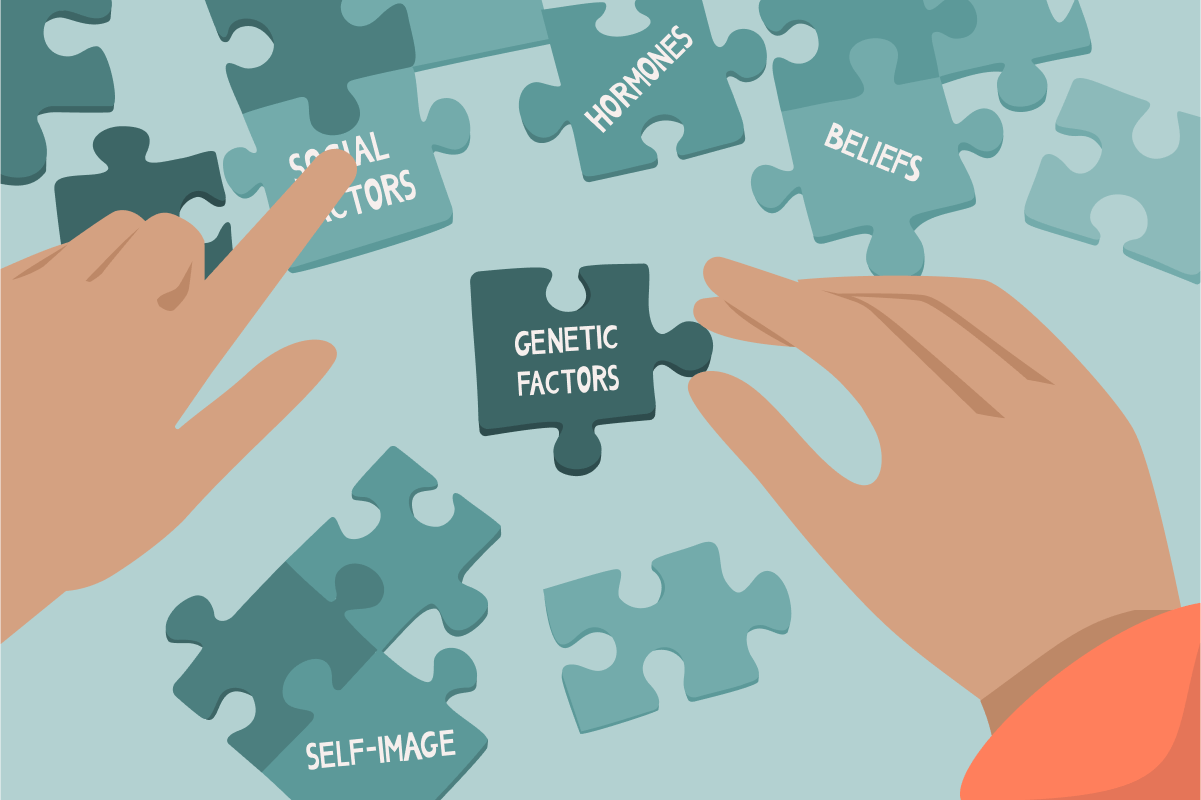
Through research, we have found three important factors that influence each other and ultimately, influence depression. This is called the biopsychosocial model of depression.

  • Psychological causes: Negative cognitive patterns, beliefs, and self-image
  • Biological causes: Neurotransmitters, hormones, and genetic factors
  • Social factors: Burdening experiences and difficult life phases


1. Psychological Causes of Depression – The Power of the Mind

Humans make many experiences over the course of their lives, which shape the way they perceive and evaluate life. These so-called “cognitive schemata” (= thinking patterns) influence our self-esteem, self-image, and our everyday well-being.

Negative cognitive patterns lead to a distorted perception and interpretation of daily situations: We might hold attitudes such as “I always have to be perfect” or “I can’t be a burden to anyone”. Or maybe we interpret any negative outcomes as our fault and any positive outcomes as mere luck from the outside.

There are numerous negative cognitive patterns, but what they all have in common is their power to destroy. If these cognitive schemata become an intrinsic part of the way we perceive the world, it will surely take a toll on our joy and, over time, can become a cause of depression.

This will be one of the important things to examine during psychotherapy. What are the cognitive patterns I have? How do they make me feel and act? Are they realistic or useful to me? Where do they come from? Do I want to think this way?


2. Biological Causes of Depression

There are different biological processes going on in our body that can have an impact on depression and can also be impacted by depression. Sleep disorders, for example, don’t only add to the chance of developing depression – depression adds to the chance of developing a sleep disorder.

Thus, the biopsychosocial model makes sense: our biology influences our behavior and our behavior influences our biology. It’s a “chicken or egg?” scenario, that makes simple-seeming answers quite complicated.

The three biological causes of depression we will examine are what goes on in our 1. brain cells, 2. hormones, and 3. genes.


2.1. Biological Causes in Our Brain

Our brain contains billions of nerve cells, also called neurons. Between these cells, signals are sent from and to each other with the help of neurotransmitters – the little chemical substances used for communication between the cells. Serotonin or noradrenalin are examples of neurotransmitters.

During depression, often our brains’ metabolism (including these neurotransmitters) has lost its balance. And this dysfunction has severe consequences for our feelings and thoughts. Experiences like joylessness, depressed mood, unreasonable feelings of guilt, sleep disorders, fatigue, and loss of appetite – common symptoms of depression – can be the expression of an imbalance of serotonin (and other transmitters) in our neurons.

In these cases, antidepressants can be useful. They are intended to improve and reestablish the healthy balance of neurotransmitters in our brain. Studies show that successful psychotherapy has the same positive effects on the brain.


2.2. Biological Causes – What’s the Influence of Stress?

Hormonal changes accompany depression as well. Very often those struggling with depression have constantly elevated stress hormone levels (for example cortisol). In fact, stress and depression are connected: Those feeling overwhelmed by their stress are more likely to suffer from depression and vice versa.

Higher levels of hormones can lead to anxiety and fear, they can influence our concentration, sleep, and appetite. Again, these are official symptoms of depression. Especially women are affected in times of hormonal changes. This occurs for example, after birth, when postpartum depression affects roughly 20% of all mothers.

Due to these biological connections, physical causes must always be excluded in the case of depressive symptoms. For example, thyroid levels should be checked to ensure that other underlying causes aren’t responsible for the depressive episode.


2.3. Biological Causes – Does Depression Run in the Family?

Research and twin studies indicate that genetic influences have a part in depression and pose an increased risk for family members. However, there is no ultimate “depression gene” and these studies also show that there is an important interaction between genetic and social factors.

In other words, just because your family member struggles with depression doesn’t mean that you are bound to struggle with it as well. It means you’re at risk – but all the other factors play their part as well.


3. Social Causes of Depression – Our Environment and Life Experiences

A genetic risk becomes higher in combination with social factors. If, for example, we had a rough childhood, experienced a lot of bullying, a severe lack of parental support, or even abuse, this can make us more vulnerable and influence our cognitive schemata, the way we perceive the world. Likewise, continuous strain or conflicts with others at work, at home, or with ourselves can lead to increased helplessness over time.

Additionally, critical life events, such as the loss of a loved one or unemployment could throw us off track and send us down a negative depression spiral. Intense transition phases, like the transition from college into our first job, can give us the feeling of instability or of being lost.

A healthy social structure, with friends or family that support us and give us the feeling that we are “safe” is important in all this. In other words, if our psychological needs aren’t fulfilled, this will have a negative effect.


Does the Cause of Depression Matter in the End?

Sadly, there is no psychological X-ray that can tell us exactly where the fracture is and what probably caused it. Although we know that all these factors, statistically speaking, have an impact on the onset of depression – on the individual level it will be impossible to know the perfect “formula” for one’s onset of depression.

However, creating an individual explanatory model, by going through one’s own personal experiences and understanding what added to the onset of depression, is an important part of therapy. And an important step in moving past and preventing depression in the future.

Betterhelp
Take a Moment for Mindfulness

Take a Moment for Mindfulness

This article addresses ways being mindful can improve your overall well-being when life is too fast or overwhelming. This can include helping alleviate depression. Practical suggestions for integrating mindfulness and meditation into your daily life will help you get started.

Cognitive Behavioral Therapy for Depression

Cognitive Behavioral Therapy for Depression

Are you familiar with one of the most evidence-based psychotherapy approaches, called “cognitive-behavioral therapy”? Have you ever wondered what actually happens in a therapy session?

Start today

Download the MindDoc App to help you on your way to a better emotional wellbeing.

From over 45.000 ratings

App Store
Play Store
MindDoc App