Stress And Depression – Brothers In Crime

Insight

Stress And Depression – Brothers In Crime

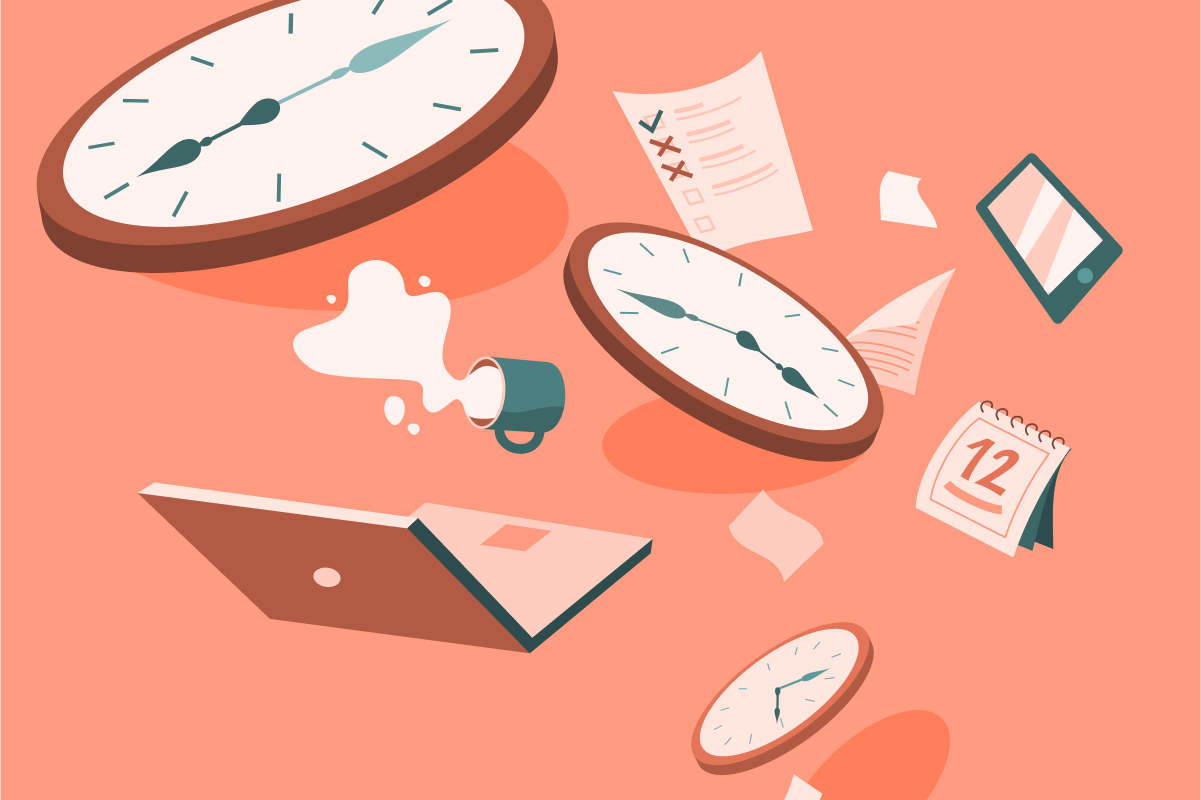
„I am so stressed “– A sentence we hear almost daily from colleagues, friends and family. Today, stress is often seen as a very negative influence: It can even contribute to the onset of mental illness. But, how exactly are stress and depression connected?
Stress And Depression – Brothers In Crime

What many people don’t know: Stress actually plays an important and useful role in our lives. It is only when we ignore it repeatedly, that we reap the long-term damaging effects.


Why stress?

Actually, stress isn’t intended to be all bad. It is a natural reaction that impacts our body and psyche. And it has an important evolutionary function, which has helped us adapt to ever-changing environments and survive as a species for thousands of years. It makes us alert and ready to rise to the challenge we’re facing.

However, every person deals with stress differently: It depends on a person’s characteristics, thinking patterns and personality. All of us use different “coping mechanisms”, to deal with stressful and ominous situations – and some are more functional than others.


What happens during stress?

In a stress situation the body gathers all its strength to face something it has classified as a great challenge. It goes “all in”. For this, it releases hormones such as adrenalin and cortisol, which in turn, induce physical changes.

  • Blood pressure rises, the heart beats faster
  • Lungs expand and we breathe faster
  • Pupils widen and the senses are heightened
  • Muscles are tense and we have more “power”
  • The body has temporarily “turned off” the digestive system (and other functions), because an emergency is not really the time for a sandwich

In short, the body is getting ready to react.


Stress – the good, bad and the ugly

A body that’s alert and ready to react has been an incredibly useful tool for us humans. Within seconds we can rattle up our entire system and, in extreme and life-threatening situations, save our own lives.

Once the threatening situation is over, the body relaxes again and returns to its normal state. In a sense, this step is just as important as the rattling up was. This is our body signaling to us that everything is okay again. And, for many people nowadays, this is the step that goes bad, the moment where stress and depression may become intertwined.

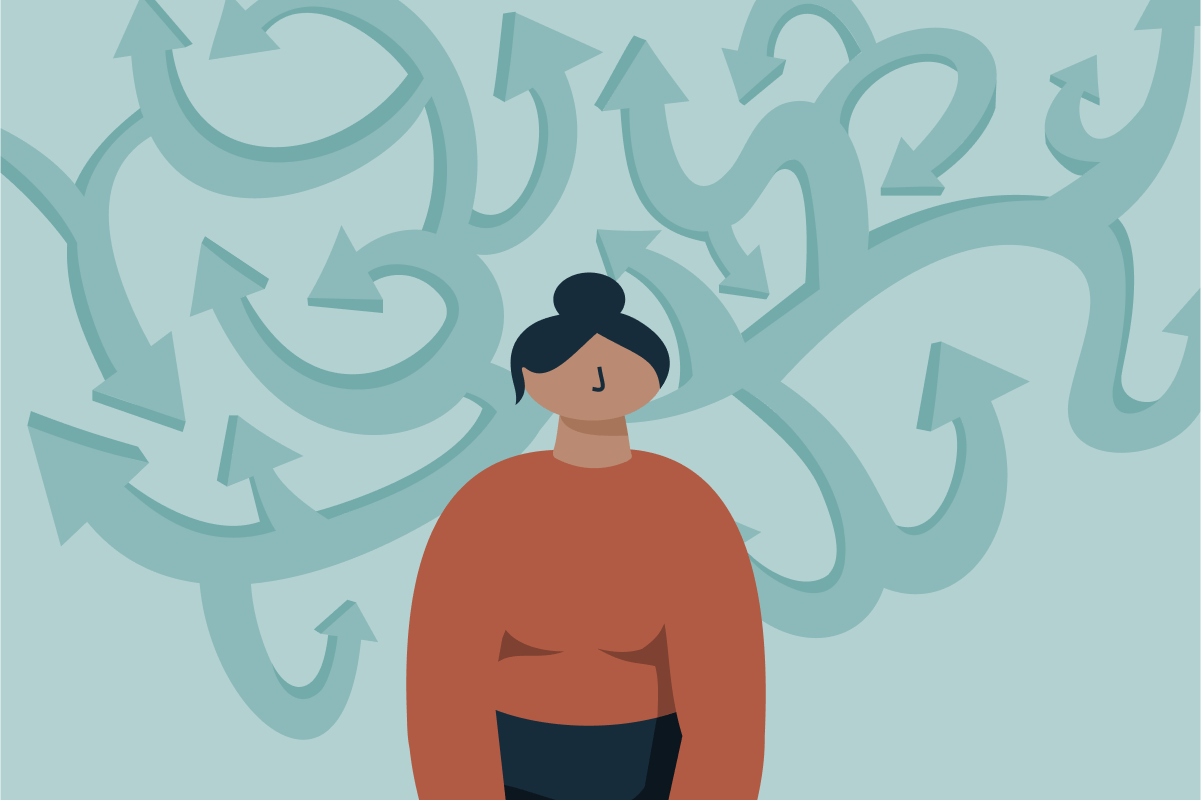
Today, we seldomly find ourselves in life-threatening situations. Instead, our stress reactions are the product of a more constant flow of “mild” stressful situations. This is tricky, because it makes it harder for the body to return back to it’s normal relaxed state. Instead, it stays constantly agitated. Our once so helpful basic stress reaction is now overwhelmed by something it’s not meant for: Chronic stress.


Chronic stress – the arch enemy

To stay healthy, it’s important to decrease our stress reaction over time. This way our body can regenerate itself from the stress and depression becomes less of a risk. If we don’t do that, our body is perpetually expecting danger and is set on “maximum speed”.

Unsurprisingly, if this extreme setting becomes your “default mode”, it will take a toll on your body over time. Consequences of chronic stress can include:

  • Heart-arrhythmic problems
  • Sleeping disorders
  • Loss of appetite
  • Difficulties in digestion
  • A loss of libido
  • Headaches and back pain
  • Anxiety and fear
  • Fatigue
  • Hopelessness
  • Loss of concentration

Here, depression isn’t far anymore. Most of these symptoms overlap with the symptoms of depression.


Depression – when stress makes you sick

Ongoing stress makes our entire “system” becomes very exhausted. It can make us feel powerless and overwhelmed, we can start feeling helpless, hopeless, we have difficulties battling our daily lives, maybe we feel run down. If you think about it, it’s actually all the things we associate with the term “burn-out” or even depression.

This association is correct: People struggling with depression often experience difficulties in their stress regulation. During chronic stress, stress hormones are immensely out of balance. And the tricky thing about hormones, is that they never serve only one purpose.

Therefore, the consistent higher level of these hormones can also lead to insomnia, fatigue, a loss of appetite, and a loss of concentration – which are very essential symptoms of depression.

Likewise, those struggling with depression are more easily affected by stress, because they are temporarily more vulnerable. Without the right intervention, this can create a harmful downward spiral. Luckily, therapy can undo these spirals and find ways to regain control over one’s life.


A change of perspective and habits

One mistake many make, is that they only see stress as something negative. However, with a little change of perspective we could see it as the first step to improvement. After all, in a way, our body is communicating with us and telling us that this situation isn’t sustainable.

It might be time to consider what to change. Either we could quit the sources around us that are causing the stress. Maybe the job isn’t worth it, or we should just take it easy.

Or, we could reconsider the way we evaluate the stress we are experiencing. There is evidence showing, that it might actually not be the stress itself that’s harmful to us, but rather the way we perceive and evaluate that stress.


Taking stress and depression seriously

No matter how we do it, finding a way to feel in control of our life and the stress within it, is key for our psychological and physical well-being.

Quite often, even more so for men, the depressive episode goes unnoticed, because it is downplayed or chronic stress is seen as a normal byproduct of life. Chronic stress and depression can overlap and influence each other. But while stress itself doesn’t require treatment, depression usually does.

Therefore, if you think you might be struggling with a depressive episode, rather than “just” stress, now is the time to act.

Betterhelp
On Grieving and Saying Goodbye

On Grieving and Saying Goodbye

Losses, separations, and goodbyes, though each unique, all share one thing—they are painful. They bring sadness. Sometimes they come with other feelings such as fear, confusion, anger, despair, or guilt.

Switching Off after Work

Switching Off after Work

The end of the day, holidays, weekends, vacations: work-free time! At least in theory. In reality, however, it can be hard to turn the mind off from upcoming tasks, looming deadlines, conflicts with others, or any host of issues or problems related to work. So what can help?

Start today

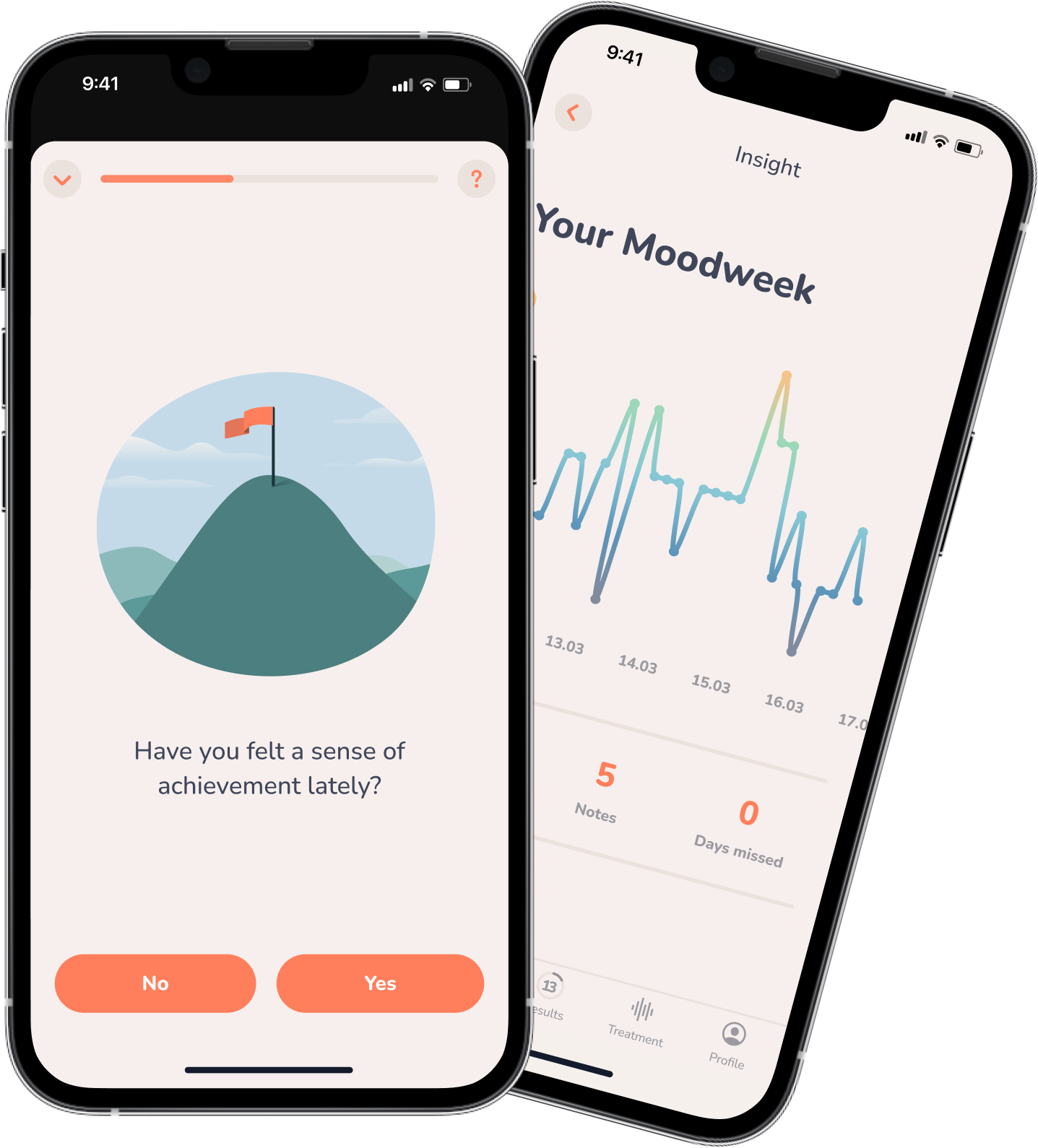
Download the MindDoc App to help you on your way to a better emotional wellbeing.

From over 45.000 ratings


App Store
Play Store
MindDoc App

Depression in the Elderly: This Is What You Need to Know

Insight

Depression in the Elderly: This Is What You Need to Know

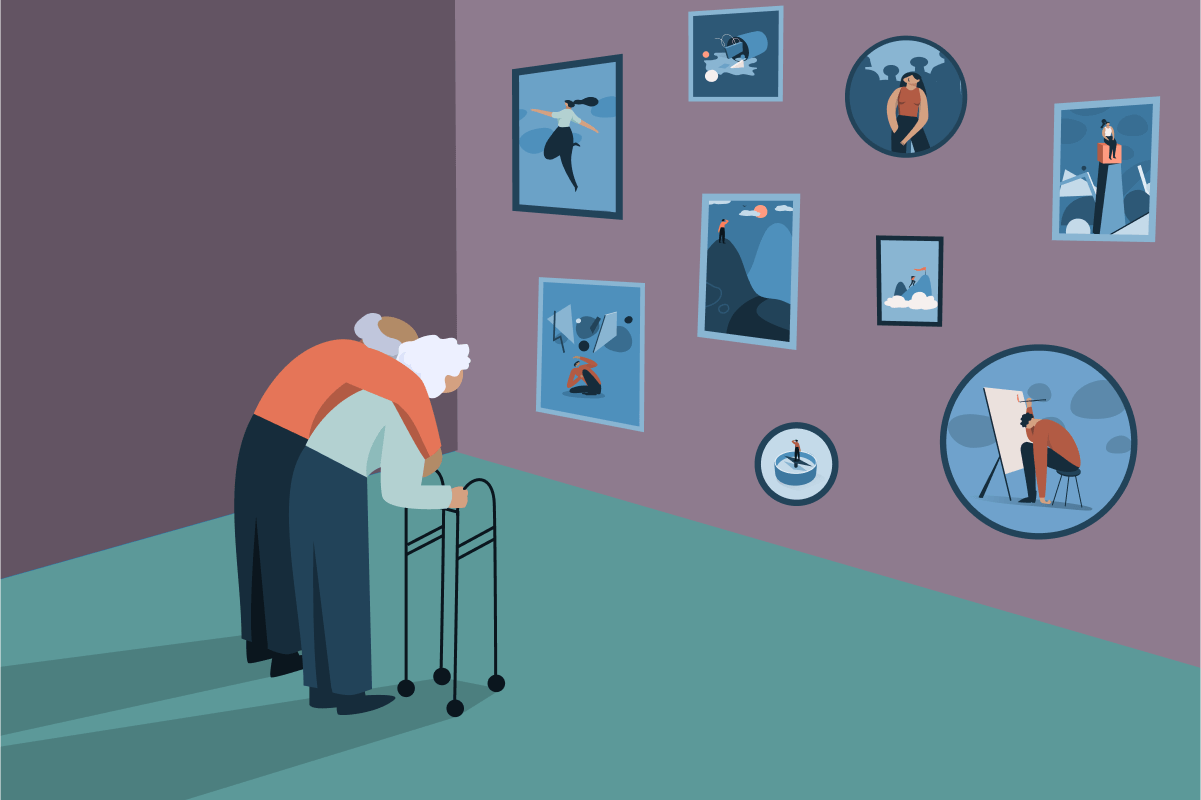
Why is aging so difficult for many of us? Is it true that depression is more prevalent among the elderly? This article gives insight into these questions and provides tips for preventing elderly depression.

Depression in the Elderly: This Is What You Need to Know

Is feeling depressed a natural part of aging?

Though growing older is not always easy, many are able to adjust just fine. Others struggle with depression, though, and any depressive symptoms should definitely be addressed. Growing older is not always an easy process. Depression can occur in every age across the lifespan but older people are at a higher risk. Because of global demographic change and the increasingly aging population, the number of elderly with depression is rising, thus becoming a more and more important topic for the health sector. According to the Geriatric Mental Health Foundation, around 15–20% of the population aged 65 years and older in the United States experience depression. This alarmingly high number can have severe outcomes for the affected individual and their environment.


Why are older people more vulnerable to depression?

Feeling depressed can have many different causes. Interestingly, next to sleep quality and general health, perceptions about aging play a big role in depression. Attitudes about aging can inform expectations and outcomes of getting older, rooted mainly in society. As this study shows, when we have a more positive attitude toward aging, we are likely to retain better mental health and face fewer depressive symptoms.

Additionally, elderly people can struggle to find good sleep—a fundamental need. We all know that it can be pretty difficult to get through a day after a sleepless night. Therefore, it is not surprising that many studies found a connection between insomnia, reduced life quality, and depression.

Further, aging usually comes along with less social engagement and decreased contacts in daily life. When we retire, we might decide to relocate our home and maybe move to a different neighborhood. This might lead to losing close friends, co-workers, or long-standing neighbors. Death of a spouse, friends, and other family members may also contribute to feelings of loneliness and sadness. There are also profound life changes that come with age. Leaving our professional life is a major one, since many find a sense of purpose and social engagement through work. Physical changes and illnesses that come with age can additionally restrict what we’re able to do, which, in turn, negatively impact our mood. These circumstances make depression more likely. And the gradual onset of depressive symptoms makes it difficult to notice differences between simply feeling sad and an actual depressive episode.


Clarity is the key!

Can you tell the differences between depression and dementia?

It can be very helpful to know how to tell the difference between feeling sad or actually depressed, or even illnesses like dementia, especially if someone in your close environment might be dealing with elderly depression. This is difficult sometimes, as the symptoms are closely interlinked, and depression can co-occur with dementia.

Dementia should not be confused with “pseudodementia,” a condition that can occur at any age that is part of a larger diagnosis of depression. This is a condition that affects concentration and memory but it recedes with the depressive episode is not true dementia. The following lists should make it easier for you to understand the differences between the two.

Depressive Symptoms

  • Feeling guilty, worthless, hopeless or full of regret
  • Feeling life is pointless and not worth living, suicidal thoughts
  • Feeling unhappy most of the time
  • Concentration difficulties, however no strong cognitive impairments
  • Worrying about memory problems and confusion
  • Fatigue or loss of energy nearly every day

Dementia Symptoms

  • Difficulty performing familiar tasks / cognitive impairment
  • Short-term memory loss, that affects day-to-day activities
  • Confusion about time and place
  • Impairment of language and motor skills
  • Usually unaware of memory loss


So, is there anything that can be done to stay healthy?

Feeling depressed can have an impact on our overall well-being, and may lead to disability, higher mortality, or even suicide. Therefore, trying to prevent elderly depression is an important aspect of healthy aging.

Here are a few tips to help prevent elderly depression:

  • Engaging in group activities in the community: Participating in activities can have many benefits when we age. This can not only be an opportunity to strengthen your social network, but also give structure to our daily life and prevent us from feeling a loss of interest or pleasure in activities, all of which are common signs of depression.
  • Daily exercise: Aerobic exercise—like swimming, biking or running—has been proven to not only prevent depression in older adults but keeps the brain fit! Keeping the body active also enlivens the mind and can help reduce stress or the negative thought chains of rumination.
  • Healthy nutrition: Our diet plays an essential role in both our physical and emotional health. Multiple studies show that specific foods (e.g., fruits, vegetables, Mediterranean diet) can prevent depression. So, we need to be conscious of what we eat to stay healthy!
  • Be aware of medication: When we get older, we usually deal with more physical impairments and health problems, which may result in taking a lot of medication. However, if we tend to feel depressed easily, this might be triggered by the medicine we are taking and should always be considered when experiencing the first symptoms of depression.


How can elderly depression be identified?

Only 10% of elderly people with depression receive adequate treatment. Clearly, many currently suffer for a much longer time than is necessary. Older people and their families or caregivers may mistake their symptoms of depression with other diseases or dismiss them as being an ordinary part of the aging process. Knowing about depression and what to look for may help those affected act more quickly to seek appropriate solutions and improve the current situation! Find out now if you are affected by depression by downloading our app, MindDoc. And you can learn more about signs of depression in the course “What Is Depression”.

Betterhelp
On Grieving and Saying Goodbye

On Grieving and Saying Goodbye

Losses, separations, and goodbyes, though each unique, all share one thing—they are painful. They bring sadness. Sometimes they come with other feelings such as fear, confusion, anger, despair, or guilt.

Switching Off after Work

Switching Off after Work

The end of the day, holidays, weekends, vacations: work-free time! At least in theory. In reality, however, it can be hard to turn the mind off from upcoming tasks, looming deadlines, conflicts with others, or any host of issues or problems related to work. So what can help?

Start today

Download the MindDoc App to help you on your way to a better emotional wellbeing.

From over 45.000 ratings
App Store
Play Store
MindDoc App

These Are the Signs of Depression to Look Out for

Insight

These Are the Signs of Depression to Look Out for

What are the signs of depression? “I am so depressed” is something we say sometimes without giving it much thought. However, depression is a serious and clearly defined mental illness that requires professional help. Here you’ll find out what the signs of depression are and what to do next.

These Are the Signs of Depression to Look Out for

Depression Is Often Underestimated

All of us know what it feels like to have a bad day and to just not be in the mood for anything at all. That’s normal and simply a part of life. But too often we speak casually of being “depressed”. What we forget, is that depression shouldn’t be underestimated. And those struggling with depression are not alone. An estimated 65 million Americans will experience a depression at least once in their life. That makes it one of the most common mental illnesses on the planet.

There is an important difference between sadness and depression. Occasionally being sad and having a low mood doesn’t necessarily mean you are going through depression. The symptoms of depression are clearly defined in the internationally recognized classification system ICD-10 of the World Health Organization (WHO).

What is depression? – Helen M. Farrell (Watch on YouTube)


Everyone Experiences Depression Differently

Not every person with depression suffers from the same symptoms. And of course, only those affected can report how they experience their disorder. Many, however, share similar signs of depression. The world seems grayer than usual and it might feel like some kind of veil has settled over you. You don’t have the energy for simple everyday activities and you don’t find joy in the things that you used to enjoy. Powerlessness becomes the predominant attitude to life.

It is a myth that all depressive people cry a lot. For some, this is the case, while others can no longer cry at all. Sometimes the behavior of those affected is best described as “indifferent”. For those affected, it often feels like they are no longer capable of feeling at all. Therefore, attempts by friends and family to encourage others those struggling with depression can have no effect.


Why Do I Feel This Way Right Now?

You may have asked yourself the same question. “I don’t really have a reason to be depressed.” This impression of being responsible for one’s own condition can lead to self-reproaches and a feeling of guilt. However, depression is no one’s fault, and these guilty feelings aren’t necessary. Many people affected feel small and have nagging self doubts like “I can’t do anything”, “I’m nothing”. Their environment might add to their guilt with platitudes such as “it will all work out”, or even worse, strict accusations such as: “just pull yourself together”. And this could lead affected people to withdraw themselves even more. Men experiencing depression can have a hard time with the false notion that they just have to “toughen up” to get over what they are going through.

During depression, you may find it harder than usual to concentrate, remember things, or make decisions. And not just at work or at school. Sometimes it is difficult to simply follow conversations or just sit still. Others find it difficult to move.


How Am I Supposed to Get through the Day?

Problems falling asleep or irregular sleep can turn getting up in the morning into torture. In addition, great exhaustion can occur during the day, accompanied by the desire for deep, restful sleep. With sleep disorders, one’s mood is often depressed, especially in the morning. This is quite common in depression and is also referred to as the “morning low”.


Signs of Depression Also Manifest Themselves Physically

Some people struggling with depression may initially experience physical discomfort. Patients often report indeterminate head or back pains. Digestive problems, gastrointestinal problems, or heart problems can also occur.

Menstrual problems in combination with depression are not uncommon in women. Postpartum depression, which occurs in up to 15% of all women after the birth of a baby. Many who are struggling with depression unintentionally lose weight. Male depression brings along a whole different set of challenges. The libido – sexual desire – decreases. These individual variations could lead to a depression not being recognized as such for a long time.


Symptoms Influence Each Other

Individual symptoms can influence each other. For example, some people with depression tend to ruminate a lot. And those thoughts revolving around negative experiences can disturb sleep behavior. Poor sleep, in turn, fires negative thoughts or reduces memory performance. This has an impact on concentration and self-confidence. And there you have it. A vicious cycle has been born that must be broken.

In some cases, the negative assumptions are so strong that suicidal thoughts of death can arise. When suicidal thoughts occur, it is time to seek medical or psychological help immediately. Click here for an emergency number to call.


Depression Affects Your Whole Life

This disorder affects a person’s life at its core. Also for relatives, the disorder can pose a very great challenge. Also, romantic relationships can be challenging during depression. You may even withdraw from good friends out of exhaustion or shame. Since depression can affect feelings, thoughts, behavior, and body, it affects the person as a whole. Every aspect of life and one’s entire well-being is affected.


A Depressive Episode Can Be Treated

It is called a depressive episode when a certain number of symptoms persist over a period of at least two weeks. There are different degrees of severity. Experts distinguish between mild, moderate, and severe depressive episodes. A diagnosis can only be made by a doctor or psychotherapist.

The term “episode” indicates that the depression will pass again. Nevertheless, such a phase can last for a long time. Luckily, professional treatment can significantly reduce the period of the depressive episode. If depressive symptoms are detected early enough, countermeasures can be taken in good time – with the aim of returning to a stable and balanced life as soon as possible. Specialized depression tests can help identify symptoms and take the first step.


MindDoc Helps You Take the First Step

If you are wondering if you might be affected by depression, the free app “MindDoc” offers an easy way to gain clarity. It recognizes depressive symptoms and offers you a sound assessment of your mental health.

Betterhelp
On Grieving and Saying Goodbye

On Grieving and Saying Goodbye

Losses, separations, and goodbyes, though each unique, all share one thing—they are painful. They bring sadness. Sometimes they come with other feelings such as fear, confusion, anger, despair, or guilt.

Switching Off after Work

Switching Off after Work

The end of the day, holidays, weekends, vacations: work-free time! At least in theory. In reality, however, it can be hard to turn the mind off from upcoming tasks, looming deadlines, conflicts with others, or any host of issues or problems related to work. So what can help?

Start today

Download the MindDoc App to help you on your way to a better emotional wellbeing.

From over 45.000 ratings
App Store
Play Store
MindDoc App

Feeling Alone? Find out Why and What You Can Do about It!

Insight

Feeling Alone? Find out Why and What You Can Do about It!

In our modern society, many people feel depressed and lonely. You are definitely not alone. The good news is there are ways to understand and change your current situation. We have some useful tips that can help you feel better and alleviate feelings of loneliness.

Feeling Alone? Find out Why and What You Can Do about It!

First Step: Don’t Underestimate Loneliness!

In the beginning of 2018, the UK appointed a minister of loneliness—you might be surprised and ask yourself why it is necessary to address loneliness on a political level? In fact, research shows that feeling lonely can have severe effects on our health and well-being.

But let’s start by understanding what loneliness actually is. Like so many, you might have plenty of friends and family around you every day, but still feel lonely. Does that even make sense? Yes, it does! Feeling lonely is not necessarily the same as being alone. Actually, most of us have conversations every day and are in fact not alone—however, many still feel lonely. This subjective feeling usually arises when the actual social contacts in our lives don’t meet our desired interactions.

Loneliness makes us feel sad. Going further, it can also lead to us not sleeping well, changes in blood pressure, and to depression. Hence, loneliness constitutes a serious public health issue, especially for the younger population, aged 18 to 37. According to several surveys from the United States, almost half of those surveyed reported feeling lonely some or most of the time.

Despite the possible negative consequences of loneliness, it doesn’t mean that feeling lonely once in a while will lead to you being depressed immediately or dying earlier, of course. However, if you feel lonely much of the time and you see how it impacts your daily life and well-being, it’s a good idea to find out why you feel the way you do and take action to change it.


Possible Reasons for Loneliness

Of course, we are all individuals with different life experiences and our own reasons for feeling lonely, which are sometimes difficult to identify. Here are some of the more common reasons people report feeling alone at times:

  • New situations due to life-changes: Attending a new university or job, moving to another city or country, the death of a friend or relative, relationship break-ups . . . all these things can make us face a new challenge, which we might not feel comfortable with at first and feel lonely because our daily habits and social contacts are changing.
  • The inactivity trap: When we feel depressed, we might not be in the mood to meet other people, preferring, instead, to withdraw from the rest of the world. This can lead us to feel lonely, which then increases our depressive symptoms. A tricky vicious cycle that we should try to break out of!
  • Quality over quantity! It’s not necessarily the number of people around you that are important—more essential is the quality of your relationships. You might have 500 friends on Facebook, but no one you would actually want to talk to about your personal issues or who supports you during difficult times. Feeling like you have no one to turn to when you need help might lead you to feel lonely in a room full of people you call your friends.
  • Feeling different: The subjective thought of being very different than others in your social circle can contribute to feelings of loneliness. For instance, if you don’t like going to parties but those around you love them, you can feel more detached.

So, how can we change our feelings of loneliness?

Whether you know why you’re feeling lonely, you can do something to begin changing your current situation


Tips to Help You Feel Less Lonely

  1. Find people who feel the same way: Look for activities or groups you can join where you’re more likely to meet people who feel the same way you do. Take advantage of some interesting new trends such as meet-ups designed around a specific activity. One, for example, brings together strangers who enjoy cooking. They meet and cook and eat together and possibly find new friendships in the process. Reading blog articles written by other people affected by depression or loneliness can also help you understand your own feelings better.
  2. Mingle! Instead of sitting at home, go outside for a walk, to a café, to the park and read a good book where others will be around you. Just being in an environment filled with sounds of other living beings can make you feel less alone.
  3. Use social media: Staying connected through various social media outlets with other people who are important to us but might not live in the same place as we do can help. Social media not only helps us stay in touch with loved ones easily, but this can also be a way to meet new people. If it feels too difficult to go outside, the internet can be beneficial for decreasing loneliness. But this doesn’t mean you should be on the internet the whole day—find a healthy balance and be conscious about your usage.
  4. Do you believe…? Meditation, religiosity, or spirituality can help many lonely people cope with difficult situations.
  5. Activate your body – do sports, exercise! This can help with depression and also give you an opportunity to meet other people that share your interests.
  6. Reflect upon your current living situation: Do you live alone? Perhaps it would be a good idea to consider moving in with some friends or family?
  7. Find someone to talk to about how you feel, someone you can trust—if you feel uncomfortable talking to friends, consider going to a therapist. Asking for help is definitely not a taboo!

Don’t forget – you are not the only one feeling lonely! There are many people who feel the same way, and you should not be dealing with sad and lonely feelings by yourself. Try to figure out the cause and ask yourself what might make you feel better. We often have an innate sense of what it is we need—or we might need to step out of our comfort zone, change our lifestyle, or ask others for support to feel better in the end.

If you’re unsure why you’re feeling lonely and think that depression might be a cause, you can download our app MindDoc. The app will help you find out if you are experiencing a depressive episode and provide helpful suggestions on what you can do about it.

The MindDoc app also provides information about basic psychological needs and explores where feelings like loneliness typically come from. A course that might be particularly helpful is “Why Am I Feeling This Way?” It’s located in the “Discover” tab under the “Emotions” category.

Betterhelp
On Grieving and Saying Goodbye

On Grieving and Saying Goodbye

Losses, separations, and goodbyes, though each unique, all share one thing—they are painful. They bring sadness. Sometimes they come with other feelings such as fear, confusion, anger, despair, or guilt.

Switching Off after Work

Switching Off after Work

The end of the day, holidays, weekends, vacations: work-free time! At least in theory. In reality, however, it can be hard to turn the mind off from upcoming tasks, looming deadlines, conflicts with others, or any host of issues or problems related to work. So what can help?

Start today

Download the MindDoc App to help you on your way to a better emotional wellbeing.

From over 45.000 ratings
App Store
Play Store
MindDoc App

Gaslighting – The Burning Pain Behind Negation

Insight

Gaslighting – The Burning Pain Behind Negation

Gaslighting is a term that has been popping up a lot lately. What exactly is it, though? While some websites promise you ’10 ways to know you’re being gaslighted’, we’ll show you why it’s not that simple—and how to take first steps to undo its damage!

Gaslighting – The Burning Pain Behind Negation

Damage Done

A common definition of gaslighting is: “Manipulating (someone) by psychological means into questioning their own sanity.” Understanding why that is so damaging isn’t really rocket science.

Essentially, it devastates our most fundamental basic psychological needs all at the same time. We stop relying on the most elementary assumptions which make healthy interactions with the world possible: “The objective things that I experience are really happening around me and others experience them, too. I am in control and in touch with reality.”


Origins of Gaslighting

The term “gaslighting” originally comes from a play by Patrick Hamilton called Gas Light, written in 1938, where a husband intentionally tries to drive his wife crazy with constant minor changes in their home, in an attempt to put her in an asylum and gain access to one of her family’s heirlooms. When she questions the things she sees, he repeatedly tells her she’s imagining things and that she’s “crazy.”

A somewhat similar real-life example comes from communist East Germany, where the state security service, or stasi, chose a gaslighting technique on its political opponents. Government officials would break into their homes and make small changes, like mixing up furniture or other items and leave. The residents suspected that the state was playing an eerie mind game on them but because it was so bizarre questioned whether it was really just all “in their heads”? Imagine telling your best friend: “The government is swapping out my picture frames and moving my plants 10 inches every day!” You’d sound crazy. This is gaslighting, in the most classical sense of the word.


What Gaslighting Often Means Today

What has “gaslighting” come to mean today? Is it gaslighting, for example, when someone denies whether they’ve made a particular statement? In other words, where does gaslighting begin and faulty memory end?

The answer to this depends on how strictly you want to stick to the original definition—which is closely tied to intention. The gaslighter seems fully aware of what s/he is doing and is doing it on purpose. What seems to have gotten lost in more modern definitions is this emphasis on intention. Today, the following statements are often considered a form of gaslighting:

  • “That never happened.”
  • “It wasn’t that bad.”
  • “Stop being overly dramatic.”
  • “You’re imagining things again.”
  • “I would never say that. You must have misunderstood me.”

When someone denies that something ever happened, they most likely have not planned out a devious way to bring you down and make you question your own sanity so they can steal your grandma’s jewels. They are not grand, scheming villains. It may be that they simply have difficulty accepting their own faults, assuming responsibility, resolving conflict, and/or apologizing.

Whether intentionally trying to bring harm or acting out of a character flaw, gaslighting is still harmful!


Gaslighting in Abusive Relationships

Although gaslighting has popped up most recently in connection with politics and politicians, the most common place for it is within intimate, close relationships. In this moving Ted Talk, Ariel Leve speaks about the abusive relationship she had with her mother, which was riddled with gaslighting during her childhood.

How to deal with gaslighting | Ariel Leve (Watch on YouTube)

Gaslighting in intimate relationships is so damaging because it avoids the apology and taking responsibility. It negates the necessity for a healing process. By denying that something happened, the person who experienced it struggles to move on and is left wondering if s/he may really be the one who made the mistake.

Another hurtful consequence of gaslighting is that it often leads the recipient to question or deny their own emotional response, preventing this person from seeking mental health resources that could help them cope better.


If You Feel It, It’s Real

You’re fine. Stop being so sensitive.”—Society has never really been very kind to sensitive people or to open signs of vulnerability. For instance, there are many myths about men struggling with depression. So, let’s be very clear: Your emotions are yours and are legitimate, simply because you are experiencing them.

The key to processing emotions in a healthy way is to first accept that you’re feeling the way you are. Once you’ve acknowledged this truth, you can do something about it. Guided meditations and other self-help resources can help, as can seeking out a mental healthcare practitioner. “Stop it, you’re fine” won’t do the trick—not when someone else tells you so, nor when you try to tell yourself so.


Let’s Get Personal – New Patterns for You

Let’s continue with a somewhat challenging thought. Instead of placing the focus on what is being done to you, let’s turn things around for a second: Do you often find yourself in relationships where the other person engages in gaslighting? If so, why do you think that is? Are there ways you can change your normal patterns?

If the type of gaslighting you’re experiencing is linked to domestic abuse or concrete events, you can and should take it seriously. Seeking help is important. You are not crazy. And, you have every right to not accept being treated this way.

If the gaslighting you’ve encountered is more nuanced, maybe the best next step is to focus on yourself. That is, after all, the thing you can influence most. How can you learn to trust yourself again, believe that your emotions are valid and that you have self-worth?

MindDoc is an app you can download for free. It gives you the opportunity to keep track of your emotions and experiences throughout your day. You’ll receive interesting insights that shed light on your behavioral and thinking patterns and, every 14 days, a detailed summary of your emotions and the state of your mental health. Maybe you’d like to improve your self-esteem or self-compassion, or learn to accept your emotions more? MindDoc also offers guided, interactive courses on these and many other topics. Try them out and watch yourself evolve and grow! You deserve this change.

Betterhelp
On Grieving and Saying Goodbye

On Grieving and Saying Goodbye

Losses, separations, and goodbyes, though each unique, all share one thing—they are painful. They bring sadness. Sometimes they come with other feelings such as fear, confusion, anger, despair, or guilt.

Switching Off after Work

Switching Off after Work

The end of the day, holidays, weekends, vacations: work-free time! At least in theory. In reality, however, it can be hard to turn the mind off from upcoming tasks, looming deadlines, conflicts with others, or any host of issues or problems related to work. So what can help?

Start today

Download the MindDoc App to help you on your way to a better emotional wellbeing.

From over 45.000 ratings
App Store
Play Store
MindDoc App

Living with Bipolar Disorder: A Life between Two Extremes

Insight

Living with Bipolar Disorder: A Life between Two Extremes

What do we know about bipolar disorder, or as it is sometimes called: “manic depression”?

Living with Bipolar Disorder: A Life between Two Extremes

The ups and downs make an organized life difficult

For people with bipolar disorder, high moods are way up in the sky, and lows are like the deepest of pits. Those affected by bipolar disorder, struggle primarily with a so-called “mood disorder” and a change in their activity level. Bipolar disorder is characterized by two episodes that could not be more contradictory.

Sometimes, the mood is clearly elated, affecting also their drive and activity. Other times, however, are marked by the absolute opposite: Mood, drive and activity sink drastically and alarmingly.

For roughly 3 million Americans these ups and downs are so extreme that a structured life is hardly possible. Bipolar states are more than just an “emotional roller coaster”: The emotional world of a person with bipolar disorder is very extreme. What the bipolar state feels like is difficult to put into words. Here, an attempt:


The euphoric, but deceptive, rush

When inside a manic episode, anything seems possible. Those affected feel euphoric, uninhibited and have th­e feeling that they can achieve anything. Sleep is often unthinkable: Many of those affected report that they don’t sleep at all for days on end. A manic episode is often also accompanied by an increased desire for sex. Affected people compare the manic state to the feeling of being on drugs, which isn’t that surprising: During the “high phase” of bipolarity, the brain is supplied with an excess of neurotransmitters such as dopamine – the identical effect many drugs have on the brain.

A closer look reveals: This euphoric “intoxication” has a dark side. During a manic episode, those affected often behave inappropriately and recklessly. They are impulsive and say or do whatever pops into their head. Since thoughts are literally “racing” during a manic episode, the persons’ behavior and claims seems confusing and strange to outsiders. This often results in conflict and in extreme cases maybe even the loss of a job or an apartment.

In this rush of the manic episode, many of those affected spend too much money on things they don’t need or can’t even afford. And later, all of this can have far-reaching consequences for the lives of those affected. Some damage cannot be repaired. Relationships suffer or are even destroyed, financial damage can no longer be reversed.

In some cases, there are also psychotic symptoms – a strong distortion of perception. For example, people can develop hallucinations in which they hear voices or see things that do not exist. Some experience paranoid ideas – fears that someone might pursue them or that someone has conspired against them. When these psychotic symptoms occur, the thinking and behavior of people in mania often seems bizarre and strange to others.

The deepest of pits follows the mania

The other extreme of bipolar disorder is the depressive episode: The world is covered in a grey veil and those affected experience a lack of energy and drive, severe pessimism and a depressed mood. The correct term to what people generally call “depression”, is in fact the depressive episode. Those diagnosed with bipolar disorder, experience the exact same symptoms of depression as someone struggling with depression. However, in addition, they have also experienced the contrary – the so-called manic episode.

It is after the manic episode, that many of those affected become aware of the consequences of their actions. This can lead to additional stress and severe feelings of guilt.

Manic and depressive episodes can follow each other seamlessly. Others, however, can live for years without experiencing any symptoms in between their episodes.


The importance of friends and family for bipolar disorder

Breaking with friends and relatives often marks the manic episode. Especially in the manic phase, the social network is particularly important for those affected. Close relatives, whether family members or good friends, play an important role in recognizing early signs of manic or depressive episodes.

Especially at the beginning of a manic episode many may lack insight into their own disorder, so that they often don’t seek early professional support on their own initiative. Being attentive to changes in behavior and thinking plays a decisive role. If a new manic episode announces itself, familiar people can have an effect, for example by drawing the person’s attention and offering to involve professional help. The earlier those affected receive help in a manic phase, the sooner dangerous behavior and negative consequences can be prevented.


Self-observation and self-control is the best weapon

Bipolar disorders represent an enormous burden and risk for those affected. The suicide rate is 10 to 15 times higher than in the general population. That’s why it’s so important that those affected seek professional help! In many cases a combination of psychotherapy and medical support is recommended, and can improve the quality of life tremendously.

Self-observation in the form of a mood diary, for example, can help to stay one step ahead of a commencing episode. With the right professional help, the quality of life can be maintained.

Betterhelp
On Grieving and Saying Goodbye

On Grieving and Saying Goodbye

Losses, separations, and goodbyes, though each unique, all share one thing—they are painful. They bring sadness. Sometimes they come with other feelings such as fear, confusion, anger, despair, or guilt.

Switching Off after Work

Switching Off after Work

The end of the day, holidays, weekends, vacations: work-free time! At least in theory. In reality, however, it can be hard to turn the mind off from upcoming tasks, looming deadlines, conflicts with others, or any host of issues or problems related to work. So what can help?

Start today

Download the MindDoc App to help you on your way to a better emotional wellbeing.

From over 45.000 ratings
App Store
Play Store
MindDoc App