Insight
Trauma Consequences: Post-Traumatic Stress Disorder (PTSD)
Traumatic experiences like accidents, violence, or severe illnesses are extremely stressful and can push people to their limits. As a result of trauma, some affected individuals develop post-traumatic stress disorder (PTSD). This article provides an overview of how PTSD develops, what symptoms typically accompany it, and how it’s treated. If you’d like to learn more about PTSD (and related conditions), check out our course, “Trauma-related Disorders” in the MindDoc app – this content forms the basis of this article.
What Is Trauma?
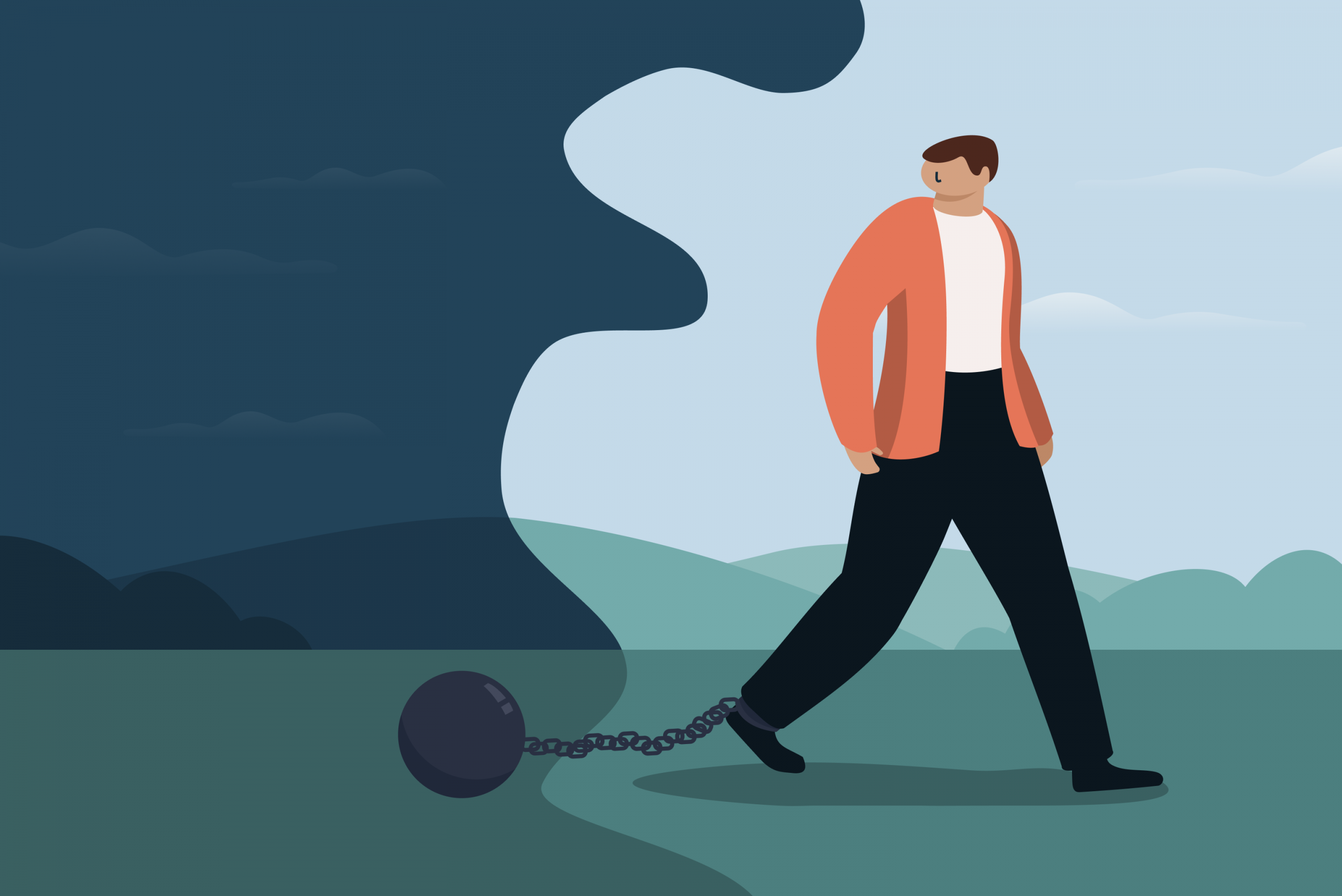
The word trauma comes from Greek and translates to “wound” or “injury.” Psychological traumas are emotional wounds caused by serious shocking events such as natural disasters, accidents, or experiences of violence. In other words, these are situations that threaten one’s own health or very survival or that one witnesses firsthand happening to someone else. Experiencing such events can bring on feelings of intense stress, helplessness, desperation, and/or a sense of horror, and are felt as enormously overwhelming.
Not Every Painful Experience Is a Trauma
The word “trauma” has come to be quite common in recent years. Be it a failed exam, a breakup, or a difficult work relationship, the word seems to refer to anything that causes negative thoughts and painful feelings. And yes, for sure, such experiences can be very intense and stressful. The problem is: If every difficult experience were labeled a trauma, true traumas would be trivialized and go unrecognized.
It’s not always easy, though, to figure out when a disturbing situation tips into being a true trauma. This is where doctors or therapists can help.
How Do Trauma-related Disorders Develop?
Traumatic situations are very stressful for the psyche, and processing the experiences is challenging. However, not every psychological trauma leads to a trauma-related disorder. Both risk factors and protective factors play a role here.
When someone goes through a traumatic event (or, for some people, repeated traumatic events), they have a higher risk of developing a mental illness. This is especially true when the traumatic situation is recurring and intentionally caused by other people (as in the case of ongoing abuse).
Aside from the traumatic event itself, additional circumstances of a person’s life can increase the risk of developing a trauma-related disorder such as PTSD. If the person lacks social support, has their traumatic experience invalidated by others, is in a period of heightened stress, already suffers with mental illness, is at a young age, or has an easily activated stress system – these are all risk factors. However, certain protective factors, such as having a supportive environment and getting help quickly after the event, can help stave off the development of a disorder.
The more risk factors and the fewer protective factors there are, the higher the probability of a trauma-related disorder. However, each individual case is unique, and sometimes a single factor can be decisive.
What Types of Trauma-Related Disorders Are There?
When people talk about mental illnesses following a trauma, they most often refer to PTSD. However, complex trauma disorders, substance use disorders, anxiety disorders, obsessive-compulsive disorders, or depression can also develop after a psychological trauma.
Let’s take a closer look at what is probably the best-known trauma-related disorder, PTSD.
Characteristics of Post-Traumatic Stress Disorder
Traumatic experiences come with a strong stress reaction. Some people experience intense agitation or restlessness during and/or immediately after the event, while others completely freeze and appear unresponsive to the outside world. This stress reaction is usually temporary, with symptoms subsiding within hours or up to a few days after the event.
With post-traumatic stress disorder, however, new symptoms appear after a few weeks or months and can persist for a long time if left untreated. Symptoms vary from person to person but can generally be divided into the following:
Overactive Stress System
For people suffering with PTSD, the body’s alarm system has become permanently activated. This means the body can react with stress even in non-dangerous situations – as if the threat were still present. People in this situation tend to feel constantly tense, are easily startled, experience poor sleep, or have trouble concentrating. This so-called “hyperarousal” leads to feelings of permanent inner restlessness and exhaustion, with some people prone to irritability and angry outbursts.
Re-experiencing the Traumatic Situation
Another central feature of PTSD is the involuntary re-experiencing of the trauma – in the form of distressing memories, intense nightmares, or so-called flashbacks, where the traumatic event is re-experienced as if it were real. Even the smallest triggers (noises, smells, or certain situations) can be enough to evoke the memories or trigger flashbacks.
Avoidance of Memories and Feelings
Because intrusive memories are so distressing, those with PTSD often go to great lengths to avoid places or people associated with a traumatic event that could trigger these memories. This may also include avoiding certain activities or topics of conversation. While avoidance can provide short-term relief, it often leads to significant long-term limitations on a daily basis as well as a decrease in quality of life.
Altered Thinking and Feeling
A trauma can deeply shake one’s self-image and trust in others. Thoughts like “I’m weak” or “The world is dangerous” are common. Many with PTSD experience a near-constant low mood, mistrust, guilt, or shame – while feelings like joy or pride tend to fade more and more.


Ad: In partnership with BetterHelp. We may earn a commission if you sign up through this link.
Treatment for Post-Traumatic Stress Disorder
A trauma-related disorder doesn’t have to last a lifetime – the sooner a person can get treatment, the greater their chances of feeling noticeably better. Trauma-focused psychotherapy is the treatment of choice.
Working with memories of the traumatic situation is a central component of trauma-focused therapy. But only after the person feels ready. When someone is first starting therapy, typically the therapist will spend time building trust between the two of them. Some early sessions may be dedicated to the therapist giving the person general information about PTSD, including what it is, how it may manifest, and what some of the proven treatment methods are. It’s usually only after the person feels safe and stable enough do they move on to the targeted processing of the traumatic experience.
If you have experienced a traumatic situation yourself and are suffering from symptoms of PTSD or another trauma-related disorder, don’t hesitate to seek help. Illnesses following traumatic experiences are never your fault – anyone can end up in this situation and they deserve help coping.
In the MindDoc app, you’ll find more information on trauma-related disorders and their treatment.
Supporting a Loved One with Trauma
If you were drawn to this article because someone you know has experienced a traumatic situation and you’re wondering what you can do, helping them find a stable and supportive environment is key. Having others acknowledge the trauma and the difficult feelings it brings up can be crucial in protecting against the development of a trauma-related disorder. It’s usually most helpful to just be there and show understanding and patience toward the person. You can also help them get connected to a mental health practitioner, preferably one who specializes in trauma. Allow the person you know to set the pace – don’t pressure them into something they aren’t ready for yet.
When someone you care about changes as a result of trauma, perhaps by withdrawing or being emotionally unavailable, it’s perfectly normal to feel sad, helpless, overwhelmed, or even impatient and angry toward that person. It can help to remember that their response is not a conscious choice but an expression of a deep psychological injury. It is equally important to acknowledge your own feelings and take them seriously and look for ways of taking good care of yourself. Help is also available to you as someone in the life of a person with a trauma-related disorder – whether it be through one-on-one therapy or support groups.
People-Pleasing — When the Fear of Rejection Becomes a Trap
Are you a person who places a high value on kindness, consideration and helpfulness? Or … maybe you tend toward what’s called “people-pleasing”?

Psychological Needs in the Workplace: How to Meet Them
Deadlines, conflicts, pressure to perform—many people grapple with stressors at work. The extent to which these weigh on someone depends in large part on whether psychological needs are being met at work.
High-Functioning Depression: The Hidden Suffering
When people think of depression, usually intense sadness, low energy, social withdrawal, difficulty getting out of bed, and managing daily life come to mind. But this is not always the case.
Obsessive-Compulsive Disorder: When Thoughts and Actions Become Torture
In this article, we explore what characterizes such thoughts and behaviors as well as how they can be treated.
Start today
Download the MindDoc App to help you on your way to a better emotional wellbeing.

From over 45.000 ratings