Trauma Consequences: Post-Traumatic Stress Disorder (PTSD)

Insight

Trauma Consequences: Post-Traumatic Stress Disorder (PTSD)

Traumatic experiences like accidents, violence, or severe illnesses are extremely stressful and can push people to their limits. As a result of trauma, some affected individuals develop post-traumatic stress disorder (PTSD). This article provides an overview of how PTSD develops, what symptoms typically accompany it, and how it’s treated. If you’d like to learn more about PTSD (and related conditions), check out our course, “Trauma-related Disorders” in the MindDoc appthis content forms the basis of this article.
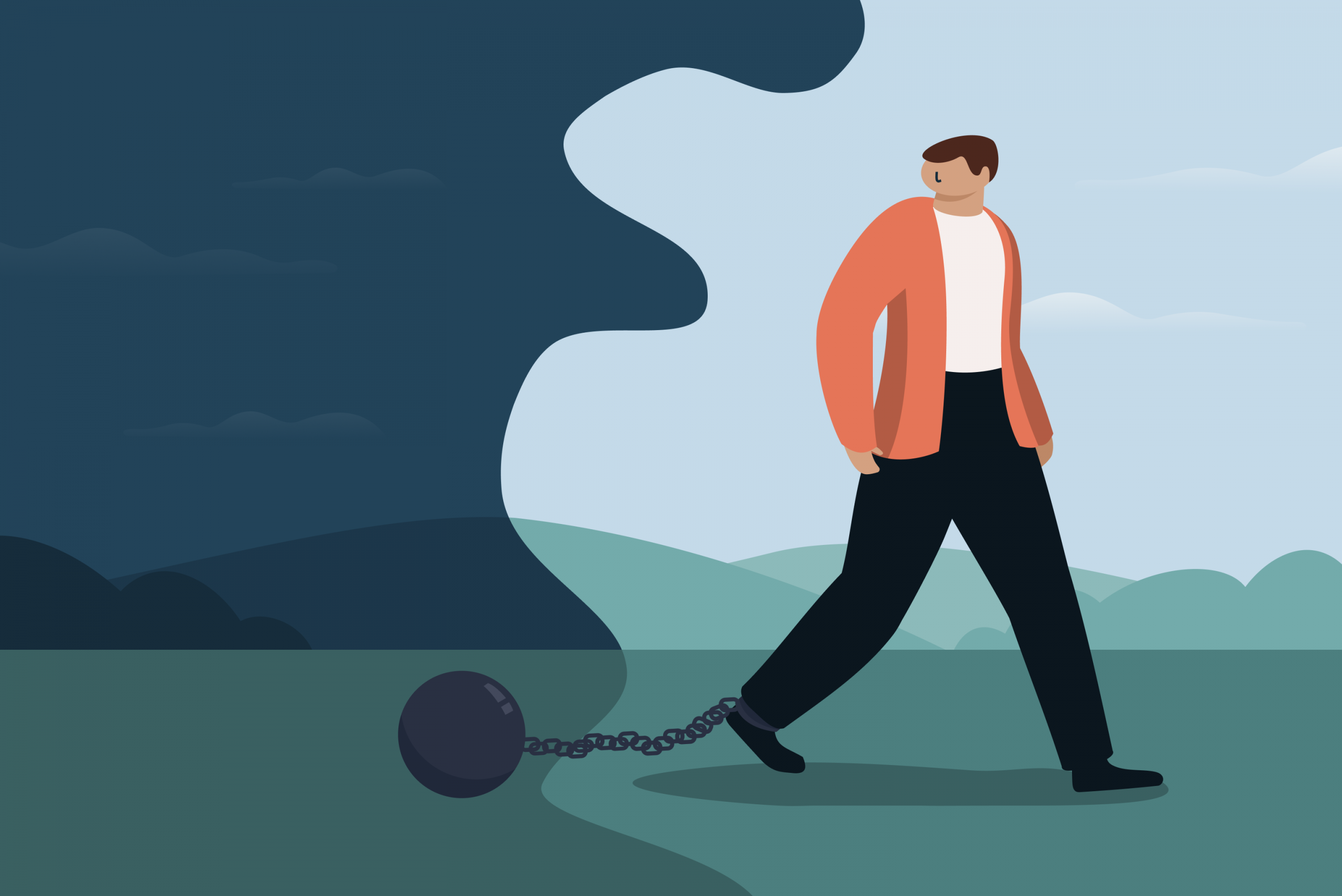
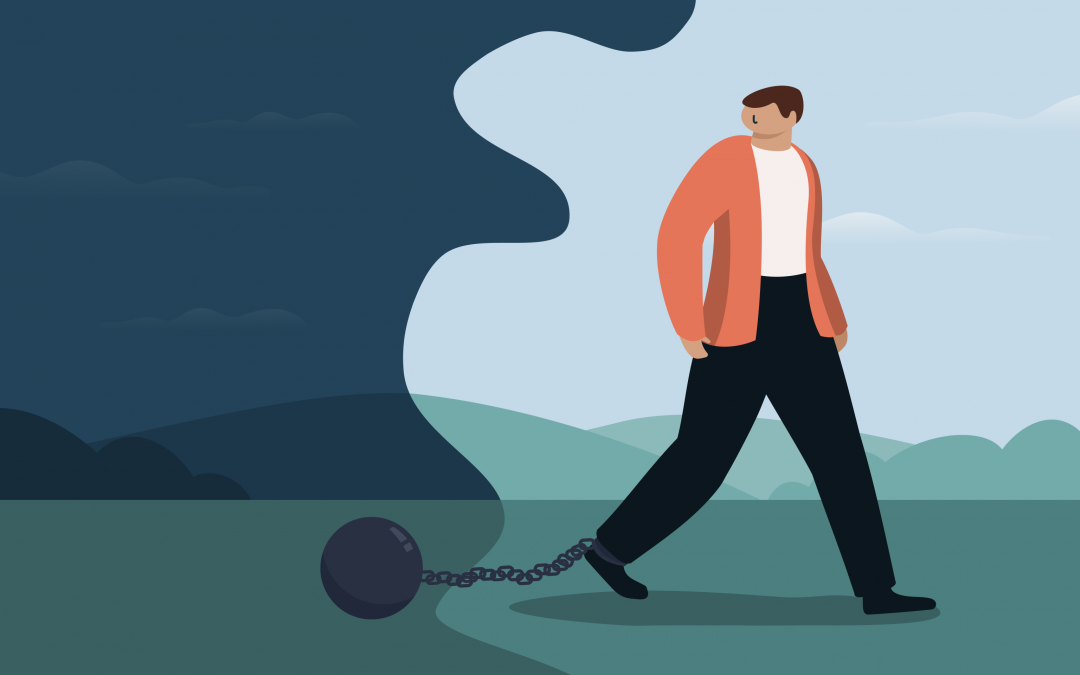
Illustration eines Mannes, der mit einer schweren Kugel am Fuß aus einer dunklen Umgebung in eine hellere Landschaft geht – symbolisch für den Weg aus der posttraumatischen Belastungsstörung (PTBS) hin zu einer besseren, psychischen Stabilität.

What Is Trauma?

The word trauma comes from Greek and translates to “wound” or “injury.” Psychological traumas are emotional wounds caused by serious shocking events such as natural disasters, accidents, or experiences of violence. In other words, these are situations that threaten one’s own health or very survival or that one witnesses firsthand happening to someone else. Experiencing such events can bring on feelings of intense stress, helplessness, desperation, and/or a sense of horror, and are felt as enormously overwhelming.

Not Every Painful Experience Is a Trauma

The word “trauma” has come to be quite common in recent years. Be it a failed exam, a breakup, or a difficult work relationship, the word seems to refer to anything that causes negative thoughts and painful feelings. And yes, for sure, such experiences can be very intense and stressful. The problem is: If every difficult experience were labeled a trauma, true traumas would be trivialized and go unrecognized.

It’s not always easy, though, to figure out when a disturbing situation tips into being a true trauma. This is where doctors or therapists can help.

How Do Trauma-related Disorders Develop?

Traumatic situations are very stressful for the psyche, and processing the experiences is challenging. However, not every psychological trauma leads to a trauma-related disorder. Both risk factors and protective factors play a role here.

When someone goes through a traumatic event (or, for some people, repeated traumatic events), they have a higher risk of developing a mental illness. This is especially true when the traumatic situation is recurring and intentionally caused by other people (as in the case of ongoing abuse).

Aside from the traumatic event itself, additional circumstances of a person’s life can increase the risk of developing a trauma-related disorder such as PTSD. If the person lacks social support, has their traumatic experience invalidated by others, is in a period of heightened stress, already suffers with mental illness, is at a young age, or has an easily activated stress system – these are all risk factors. However, certain protective factors, such as having a supportive environment and getting help quickly after the event, can help stave off the development of a disorder.

The more risk factors and the fewer protective factors there are, the higher the probability of a trauma-related disorder. However, each individual case is unique, and sometimes a single factor can be decisive.

What Types of Trauma-Related Disorders Are There?

When people talk about mental illnesses following a trauma, they most often refer to PTSD. However, complex trauma disorders, substance use disorders, anxiety disorders, obsessive-compulsive disorders, or depression can also develop after a psychological trauma.

Let’s take a closer look at what is probably the best-known trauma-related disorder, PTSD.

Characteristics of Post-Traumatic Stress Disorder

Traumatic experiences come with a strong stress reaction. Some people experience intense agitation or restlessness during and/or immediately after the event, while others completely freeze and appear unresponsive to the outside world. This stress reaction is usually temporary, with symptoms subsiding within hours or up to a few days after the event.

With post-traumatic stress disorder, however, new symptoms appear after a few weeks or months and can persist for a long time if left untreated. Symptoms vary from person to person but can generally be divided into the following:

Overactive Stress System

For people suffering with PTSD, the body’s alarm system has become permanently activated. This means the body can react with stress even in non-dangerous situations – as if the threat were still present. People in this situation tend to feel constantly tense, are easily startled, experience poor sleep, or have trouble concentrating. This so-called “hyperarousal” leads to feelings of permanent inner restlessness and exhaustion, with some people prone to irritability and angry outbursts.

Re-experiencing the Traumatic Situation

Another central feature of PTSD is the involuntary re-experiencing of the trauma – in the form of distressing memories, intense nightmares, or so-called flashbacks, where the traumatic event is re-experienced as if it were real. Even the smallest triggers (noises, smells, or certain situations) can be enough to evoke the memories or trigger flashbacks. 

Avoidance of Memories and Feelings

Because intrusive memories are so distressing, those with PTSD often go to great lengths to avoid places or people associated with a traumatic event that could trigger these memories. This may also include avoiding certain activities or topics of conversation. While avoidance can provide short-term relief, it often leads to significant long-term limitations on a daily basis as well as a decrease in quality of life.

Altered Thinking and Feeling

A trauma can deeply shake one’s self-image and trust in others. Thoughts like “I’m weak” or “The world is dangerous” are common. Many with PTSD experience a near-constant low mood, mistrust, guilt, or shame – while feelings like joy or pride tend to fade more and more.

Treatment for Post-Traumatic Stress Disorder

A trauma-related disorder doesn’t have to last a lifetime – the sooner a person can get treatment, the greater their chances of feeling noticeably better. Trauma-focused psychotherapy is the treatment of choice.

Working with memories of the traumatic situation is a central component of trauma-focused therapy. But only after the person feels ready. When someone is first starting therapy, typically the therapist will spend time building trust between the two of them. Some early sessions may be dedicated to the therapist giving the person general information about PTSD, including what it is, how it may manifest, and what some of the proven treatment methods are. It’s usually only after the person feels safe and stable enough do they move on to the targeted processing of the traumatic experience.

If you have experienced a traumatic situation yourself and are suffering from symptoms of PTSD or another trauma-related disorder, don’t hesitate to seek help. Illnesses following traumatic experiences are never your fault – anyone can end up in this situation and they deserve help coping.

In the MindDoc app, you’ll find more information on trauma-related disorders and their treatment.

Supporting a Loved One with Trauma

If you were drawn to this article because someone you know has experienced a traumatic situation and you’re wondering what you can do, helping them find a stable and supportive environment is key. Having others acknowledge the trauma and the difficult feelings it brings up can be crucial in protecting against the development of a trauma-related disorder. It’s usually most helpful to just be there and show understanding and patience toward the person. You can also help them get connected to a mental health practitioner, preferably one who specializes in trauma. Allow the person you know to set the pace – don’t pressure them into something they aren’t ready for yet.

When someone you care about changes as a result of trauma, perhaps by withdrawing or being emotionally unavailable, it’s perfectly normal to feel sad, helpless, overwhelmed, or even impatient and angry toward that person. It can help to remember that their response is not a conscious choice but an expression of a deep psychological injury. It is equally important to acknowledge your own feelings and take them seriously and look for ways of taking good care of yourself. Help is also available to you as someone in the life of a person with a trauma-related disorder – whether it be through one-on-one therapy or support groups.


Betterhelp

Start today

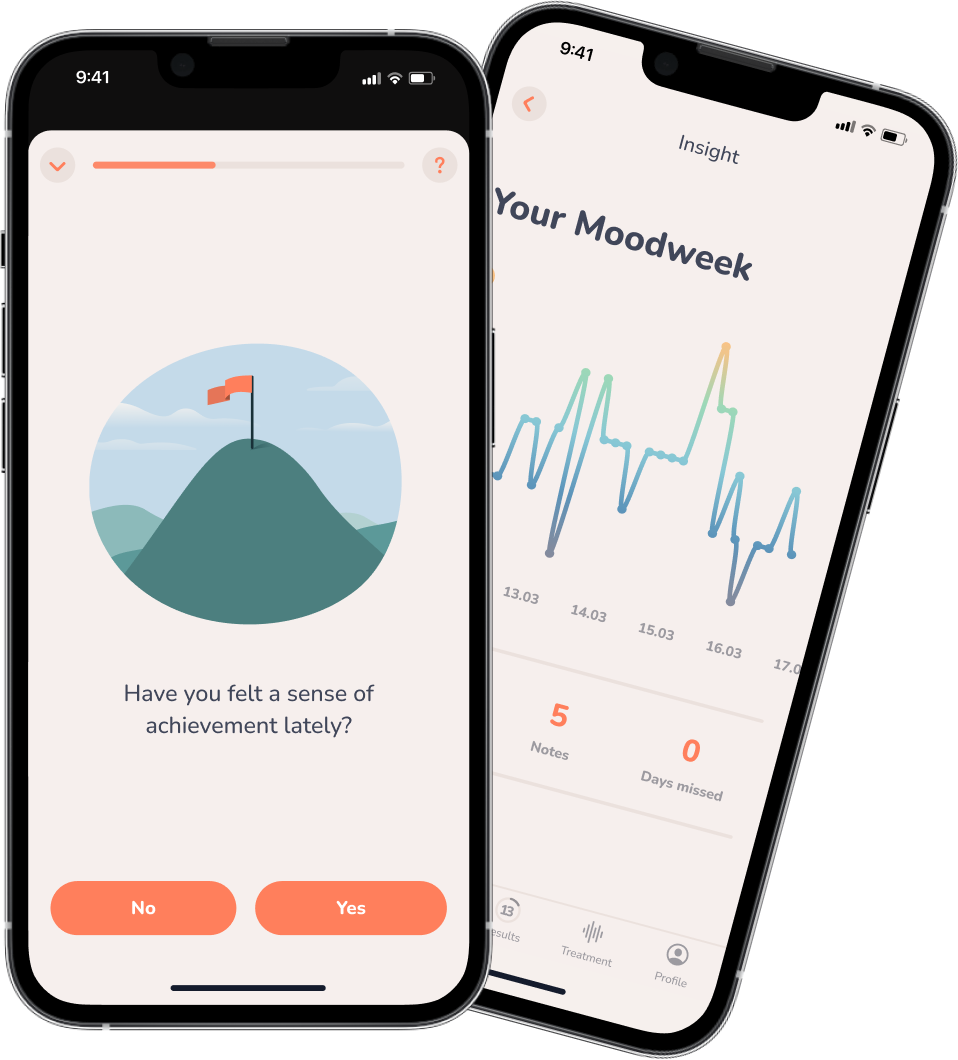
Download the MindDoc App to help you on your way to a better emotional wellbeing.

Ratings

From over 45.000 ratings

App Store
Play Store
MindDoc App

People-Pleasing — When the Fear of Rejection Becomes a Trap

Insight

People-Pleasing — When the Fear of Rejection Becomes a Trap

“You can decide where and when we meet; I’m totally flexible.”

“No problem at all! I’m happy to do it. Let me know if I can help with anything else!”

“You’re absolutely right—my mistake! I hope you’re not upset with me.”

Do you recognize yourself in such statements? If so, you might be a person who places a high value on kindness, consideration, and helpfulness. Or . . . maybe you tend toward what’s called “people-pleasing”? In this article, we’ll take a look at how people-pleasing manifests, the psychological costs it carries, and what can help in overcoming it.

People pleasing

What Is People-Pleasing?


Trying to please everyone else and, further, to never displease them, are the primary goals of people-pleasing. Someone with this tendency puts others’ well-being above their own, constantly adapting to what the other person wants. People-pleasers, then, tend to sacrifice and suppress their own wishes and needs in a search for approval or from a deep fear of rejection.

People-pleasing is not an illness, so there is no formal diagnosis. Instead, the term describes a specific pattern of thinking, feeling, and acting.
 

How Does People-Pleasing Manifest?


You’ve probably come across people in your life who are extraordinarily kind, polite, and helpful. Are all of them “people-pleasers”? Almost definitely not. As long as someone is able to say no sometimes and look out for their own well-being first from time to time, they’re not showing people-pleasing tendencies. But those who say “yes” even when everything—including their own thoughts — are saying “no” are likely people-pleasing. Other signs that this is the case may include:
 

      • Constantly putting aside one’s own needs, desires, and opinions
      • Strongly focusing on the expectations of others
      • Helping others to the point of exhaustion
      • Actively avoiding conflicts
      • Struggling to set boundaries and saying “no”
      • Having the impression of being largely responsible for others’ feelings
      • Worrying about upsetting, hurting, or disappointing others
      • Apologizing frequently, even when one did nothing wrong
      • Hiding one’s own problems to avoid weighing on others
      • Hiding feelings such as disappointment, anger, or frustration to maintain harmony  

How Does Someone Become a “People-Pleaser”?


No one is born a people-pleaser. How someone thinks, feels, and acts is always the result of a combination of many factors, such as temperament, personal experiences, and social and cultural influences.

If parents or other adults praise a child exclusively for conforming behavior or otherwise convey the importance of not being a nuisance to others, this can lay the foundation for people-pleasing and guide the self-esteem to depend heavily on how satisfied others are with them. 

Socialization also plays a role: While people-pleasing can affect all genders, women in particular are often taught from an early age to be considerate and take care of others. Repeated messages like “When you get so angry, mommy feels very sad” can also lead someone to conclude that they’re responsible for others’ feelings. Sometimes, those who lean toward people-pleasing have picked up self-sacrificial behaviors from caregivers or others around them.

Painful experiences can also fuel people-pleasing. Those who have experienced frequent conflicts, rejection, or social exclusion may come to associate such forms of dissatisfaction from others with strong emotional pain. To protect themselves from these feelings, they adopt the strategy of avoiding conflicts, always being nice and trying to please everyone—even at the cost of their own needs.

Some are just more sensitive and harmony-seeking by nature than others, which can make them more prone to people-pleasing.

What Are the Consequences of People-Pleasing?


Like many persistent behavioral patterns, people-pleasing offers some short-term advantages but long-term disadvantages. If you tend to people-please, for example, you may regularly get compliments, make friends quickly, and face fewer conflicts. 

But the price is high. Those who constantly prioritize the needs of others while neglecting their own will sooner or later feel exhausted and dissatisfied. People-pleasing can also lead to high levels of tension and take up a lot of mental space when thoughts constantly revolve around not stepping on anyone’s toes. Sometimes, even hours after an interaction, thoughts may revolve around how others might have received a specific statement or may be stuck on every possible social misstep. In fact, rumination often goes hand in hand with people-pleasing.

The self-esteem of someone who tends to people-please can also suffer. Instead of “I’m okay just the way I am,” the inner belief is “I’m okay as long as others are satisfied with me.” Those who mostly see themselves through the eyes of others and adjust accordingly often have a murkier image of their own personality, values, and wishes. This may result in a tendency toward unequal footing in favor of the other person in partnerships and friendships. And those who tend to people-please often avoid difficult or upsetting topics—which are actually helpful for the growth of a healthy relationship

In the long run, people-pleasing is not only exhausting and detrimental to well-being, but it can also increase the risk of burnout or mental health conditions such as depression and anxiety disorders.

How Can You Overcome People-Pleasing?

The good news is: Any pattern you’ve learned over time can also be unlearned. The same is true for people-pleasing.

As a first step, it can be helpful to reflect on what personal benefits and costs you experience when you always align with the wishes and expectations of others. Weighing the pros and cons can make the decision easier about whether you’d like to change your approach.

If you do conclude that the costs outweigh the benefits, and you’d like to work toward overcoming people-pleasing, you might try out the following strategies:

Engaging in Self-Reflection
Where does your tendency to want to please others at all costs come from? What influences and experiences have shaped you in this regard? What do you fear might happen if you set more boundaries and put yourself first? Addressing these questions can help you approach yourself with more understanding and distinguish between past experiences and current fears.

Strengthening Self-Esteem
Individuals who tend to people-please often have low self-esteem. Many feel valuable, if at all, only when others are happy with them. Strengthening your self-esteem and becoming more independent from the reactions of others can be a helpful step in creating a better balance between your own needs and those of others. You might find the course in the MindDoc app on self-esteem particularly helpful in this regard, with its information and numerous personalized exercises.

Acknowledging Your Own Needs
When your attention is primarily on others, it’s common to be less aware of your own feelings and needs. The result can be the sense of “I don’t really know who I am or what I want.” A mood journal—such as the one you’ll find in the MindDoc app—can help you reconnect with your own feelings and needs.

Practicing Saying “No” and Setting Boundaries
Don’t worry: Saying no does not mean that you suddenly make a 180-degree turn and start bluntly rejecting every request put in front of you. It’s more about deciding on each in a more conscious and flexible way. Do I want to help, listen, and be considerate right now, and am I able to in this moment? Or am I primarily driven by fear of what might happen if I don’t do it? Whenever you discover that your primary motivation is fear rather than your own desire and willingness, it’s worth the courage to say “no” or set boundaries in another way. You can practice this step by step. Pay attention, too, to the other person’s reactions and question your fears. Are you really experiencing rejection when you say no politely and firmly? And if you are actually being rejected, doesn’t that say much more about the other person than about you?

Seeking Support
People-pleasing can really weigh you down. If it’s a deeply rooted pattern for you, it might be difficult to overcome on your own. Remember that it’s always perfectly okay to seek help.

Betterhelp

Start today

Download the MindDoc App to help you on your way to a better emotional wellbeing.

Ratings

From over 45.000 ratings

App Store
Play Store
MindDoc App

Psychological Needs in the Workplace: How to Meet Them

Insight

Psychological Needs in the Workplace: How to Meet Them

Deadlines, conflicts, pressure to perform—many people grapple with stressors at work. The extent to which these weigh on someone depends in large part on whether psychological needs are being met at work. This article explores these needs and looks at ways to fulfill them.
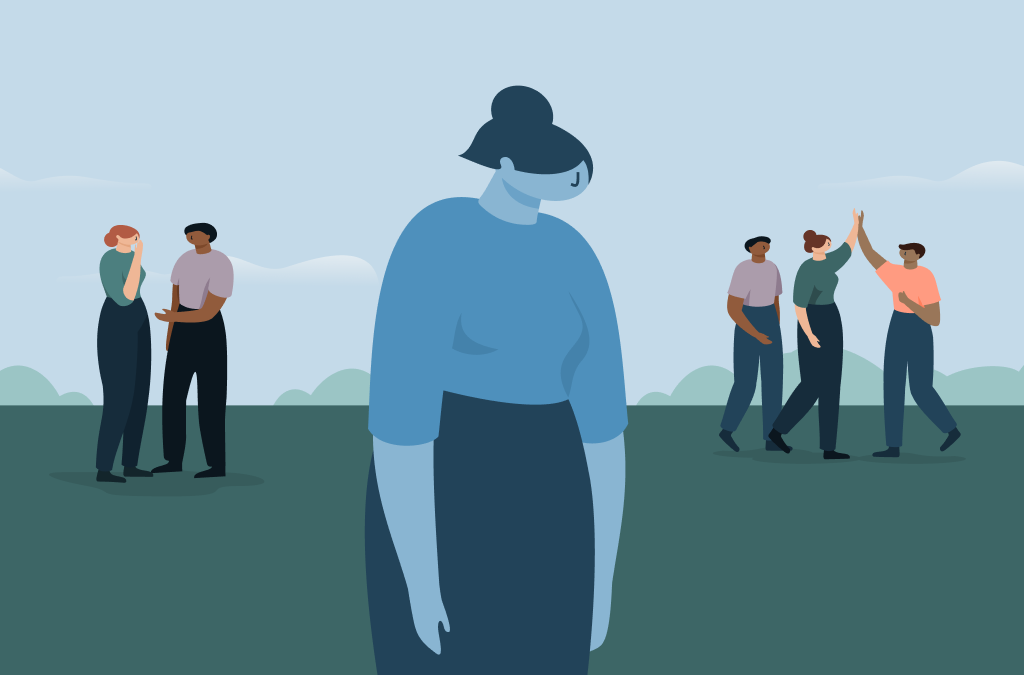
Psychological Needs in the Workplace

How Are You Feeling at Work? A Look at Basic Psychological Needs Can Provide Insight


Your sense of well-being and satisfaction at work is closely tied to your psychological needs. If these are largely met, you feel good. But, on the other hand, if they go largely unmet for a period of time, difficult emotions, stress and tension, and increased vulnerability to mental health issues can arise. 

So, what are the psychological needs that are central to your well-being?

The Need for Connection

Humans are social beings—for early humans, in fact, belonging to a group was essential for survival, offering protection and ensuring basic physical needs were met. And this still rings true today. Feeling close to others, exchanging ideas, and spending time with others are all deeply rooted.

In a work context, the need for connection is met when you’re part of a team where you feel comfortable, when there are co-workers or bosses you can turn to, and when there’s a friendly, constructive atmosphere.

If your work, though, requires little interaction or collaboration with others, your need for connection at your job may suffer. A work environment with frequent conflicts, poor communication, or competition can also frustrate this need. Experiences of exclusion or hostility are especially detrimental to workplace well-being. Find out how to recognize workplace bullying and how to deal with it here.

The Need for Control and Autonomy

Standing on your own two feet, making your own decisions, and having control over your circumstances—these all relate to the basic psychological need for control and autonomy.

Most people like to have a certain degree of predictability, planning, and flexibility in their job. Clear communication, a secure work contract, reliable income, flexible work hours, the opportunity to contribute ideas and tackle tasks in one’s own way—all help support this need.

However, the need for control and autonomy becomes frustrated when one’s work is highly controlled by others—whether through strict rules, micromanagement, or unrealistic demands. Too many tasks or deadlines without adequate support can lead to lasting feelings of helplessness or being overwhelmed. Or if there’s a lot of uncertainty, such as with short-term contracts or constant unforeseen changes, the situation can feel stressful.

The Need for Self-Esteem

This need centers on feeling competent, valuable, and proud of oneself. While there are many ways to nurture this need, work is often a key source of self-esteem for many people.

Engaging in tasks that align with your skills and allow you to feel competent supports this need. Receiving recognition and positive feedback from others also boosts self-esteem. Equally important is how you view yourself—whether you acknowledge your successes and forgive yourself for mistakes.

On the other hand, the need for self-esteem can suffer if your work offers few opportunities for a sense of achievement—for example, when tasks don’t match your skills, leaving you either overwhelmed or underwhelmed. Lack of recognition, absence of feedback, or negative comments can spark self-doubt. A workplace culture of competition, where performance is compared rather than appreciated, can also frustrate the need for self-esteem.

The Need for Enjoyment

The need for enjoyment and avoiding discomfort is universal—including in the workplace.

Work and enjoyment don’t have to be mutually exclusive. While it’s unrealistic to expect all tasks to be fun, your need for enjoyment can still be met at work. This happens when your tasks spark curiosity, challenge you without overwhelming you, or allow for occasional moments of laughter with colleagues.

Repetitive, monotonous tasks or relentless schedules can frustrate this need and diminish your well-being. It’s especially draining when you frequently find yourself in situations that clash with your values, skills, and interests or that you perceive as meaningless.

Creating a Balance in Your Free Time

Of course, not all basic psychological needs have to be primarily met through work in order for you to feel good overall. Many people go through phases where a job is primarily a means of earning money. Having enough opportunities outside of work to fulfill these needs, such as through doing fun activities with friends or family, can help balance things out.

When work takes up a large portion of your time, however, it’s worthwhile to ask yourself from time to time how well your needs are being met there. Regularly pausing to reflect on the question “How am I feeling right now?” is a key step toward staying healthy. Tools like the MindDoc app can help you check in with your feelings and needs. The app prompts you three times a day to reflect on your current emotional state and shows patterns in your well-being over time. This way, you can recognize dissatisfaction early on and actively address unmet needs.

Betterhelp

Start today

Download the MindDoc App to help you on your way to a better emotional wellbeing.

Ratings

From over 45.000 ratings

App Store
Play Store
MindDoc App

High-Functioning Depression: The Hidden Suffering

Insight

High-Functioning Depression: The Hidden Suffering

When people think of depression, usually intense sadness, low energy, social withdrawal, difficulty getting out of bed, and managing daily life come to mind. But this is not always the case. Those with high-functioning depression can, in fact, continue to navigate their daily lives, excel at work, and engage in social activities. Often from the outside, everything seems fine. But, as they say, appearances can be deceiving. Maintaining this facade often in the face of inner emptiness and exhaustion can take enormous effort and be virtually invisible to others. This article explores what this form of depression looks like and how it fits into clinical diagnoses.

High-Functioning Depression

A Look Behind the Intact Facade


Sarah is in her early thirties, works as a project manager at a large company, and is in a stable relationship. She is responsible, handles her tasks, and is seen by her colleagues as successful and dedicated. From the outside, her life seems “perfect”—she has a well-paid job, a great apartment, and a solid social circle.

Yet, Sarah often feels empty and exhausted. She senses a constant sadness in her daily life, almost as a kind of background hum. She struggles with severe self-doubt and frequently has poor sleep. Every day, she gets up, goes to work, completes all she has to do efficiently and professionally—but without genuine joy, pride, or motivation. Her co-workers and friends have no idea how she’s really feeling because she works hard not to let it show. She does a lot both at and outside work, laughing at all the right moments—yet internally, she feels isolated and drained, and over time, this feeling has gotten worse and worse. Her sense now is that she’s just “functioning,” without truly participating in life.

Though Sarah knows she’s not feeling the best, she doesn’t think it’s “bad enough” to seek help. After all, she’s able to do all that’s put in front of her. But she does occasionally wonder how much longer she can go on like this.

Sarah’s example shows that even when people seem to be functioning fine in their daily lives, they can be suffering with such depressive symptoms as low mood, low self-esteem, or problems sleeping. The insidious part of high-functioning depression is that those affected and the people around them usually don’t recognize the illness as such or don’t take symptoms seriously. The perception that all is going well can lead to the false conclusion that the symptoms aren’t severe enough to take action. As a result, they either don’t seek professional help at all or wait until very late to seek it, even when facing high levels of distress.


Classification of High-Functioning Depression


High-functioning depression is not an official diagnosis in and of itself in common classification systems for mental disorders (ICD-10 and DSM-5), mainly because there’s been a dearth of research studies related to the specifics of how it works. People in the situation of experiencing depressive symptoms while still functioning at work and in social settings, then, fall into various diagnostic categories that reflect the duration and severity of the symptoms.


Depressive Episode

A depressive episode is the most common form of depression. Symptoms include a depressed or low mood, lack of drive, and loss of interest or pleasure over a period of at least two weeks. Depending on the number and severity of the symptoms, a depressive episode can be mild, moderate, or severe.

Those with mild depression have difficulty coping with daily tasks, social interactions, and work, but do not give up on them completely. In contrast, those experiencing a severe depressive episode tend to be very limited in their capacity to continue such daily activities, sometimes to the point of not doing them at all.


Atypical Depression

People affected by atypical depression experience depressive symptoms that differ in type, number, or duration from the classic symptoms of a depressive episode and might include:

  • A generally low or depressed mood, but one that can temporarily lighten in response to positive events
  • Increased appetite or weight gain
  • Excessive sleeping
  • A heavy, leaden feeling in the limbs
  • Heightened sensitivity to rejection

Often, those struggling with atypical depression seem fine from the outside as they’re able to manage their daily lives, yet internally, they’re suffering.


Dysthymia

Dysthymia, also known as persistent depressive disorder, refers to a long-lasting depressive mood that persists for at least two years. The depressive symptoms are less pronounced than in a depressive episode. This chronic condition often begins in early adulthood. Those affected usually experience days or weeks of feeling better, but then suffer again for longer periods with having a depressed mood, ruminating, experiencing low energy, and finding daily life exhausting. Typically, people suffering from dysthymia are able to manage daily tasks, which is why their suffering often goes unnoticed by those around them. And they, themselves, don’t always recognize their symptoms as a mental health issue, particularly if the symptoms have been present for a long time and are relatively mild. They may, instead, mistakenly view them as part of their personality—”I’ve always been a bit low energy.”


​​Seeking Help for Depression


Whether high-functioning depression corresponds to a (mild) depressive episode, atypical depression, or dysthymia can only be determined through a professional diagnosis by a doctor or therapist. The most important step in addressing depressive symptoms of any kind is to take them seriously and seek support—preferably as early as possible.

If you’re feeling distressed, whether or not you’re still “functioning” in your daily life, you might consider confiding in someone and seeking help. Without treatment, depressive disorders generally last much longer than they would otherwise and could even worsen. The appropriate treatment depends on the severity and duration of the symptoms. Not every form of depression requires psychotherapy or medication. Sometimes, self-help resources can make a big difference as they provide opportunities to learn more about the condition as well as coping strategies aimed at easing distress.

Betterhelp

Start today

Download the MindDoc App to help you on your way to a better emotional wellbeing.

Ratings

From over 45.000 ratings

App Store
Play Store
MindDoc App

Obsessive-Compulsive Disorder: When Thoughts and Actions Become Torture

Insight

Obsessive-Compulsive Disorder: When Thoughts and Actions Become Torture

Disturbing thoughts that creep into your mind like uninvited guests . . . The urge to double-check if the stove is really off or the door truly locked . . . Most people have likely experienced disturbing thoughts and urges from time to time without attaching much significance to them. However, for those suffering with obsessive-compulsive disorder (OCD), such intrusive thoughts and compulsive actions occupy significant space and time in their daily lives, often causing immense distress. In this article, we explore what characterizes such thoughts and behaviors as well as how they can be treated.

Obsessive-Compulsive Disorder

What are obsessive thoughts?


Obsessive thoughts are recurring, unwanted thoughts, mental images, or impulses that intrude upon a person’s mind and cause stress, anxiety, or discomfort. They arise uncontrollably, even though the person may recognize that these thoughts are irrational or exaggerated. People with obsessive thoughts often attempt to ignore or suppress them, or they may try to neutralize them through certain actions or rituals.


How does an obsessive thought develop?


Thousands of thoughts, both conscious and unconscious, pass through people’s minds every day. Though the vast majority of these tend to be relatively mundane, it’s inevitable that some will revolve around unpleasant, taboo, or immoral topics.

“What if I push her down the stairs?”
“Maybe I have a highly contagious disease and don’t know it.”
“What if I suddenly strip naked in the grocery store?”

Such thoughts are not unusual—but just because you think something, doesn’t mean you’ll act on it. When no significance is attached to these thoughts, they often fade away as quickly as they appeared.

When they begin to become problematic, though, is when the person having the thoughts assigns a value to them. Rather than viewing these thoughts as relatively harmless, the person interprets them as dangerous or as evidence of their own inherent “badness.” This is the seed of obsessive thoughts. And this negative evaluation typically leads to angst, often in conjunction with such emotions as fear, shame, guilt, or disgust. Because such thoughts and feelings are experienced as highly distressing, a typical response is to try to get rid of them. But the more the person tries controlling or suppressing them, the more intrusive these thoughts and feelings become, sometimes leading to compulsive actions.


What are compulsive actions?


Compulsive actions are repetitive behaviors that individuals perform to alleviate anxiety or discomfort, often in response to obsessive thoughts. These actions typically seem excessive to those affected and consume a significant amount of time.

For example, someone might spend hours showering after coming home out of fear of having gotten contaminated from the world outside. Another person, driven by an intense fear of fire, might develop rituals around checking again and again and in a specific way that all electrical appliances have been turned off before leaving the house. Still another may repeatedly silently recite certain lucky numbers believing that something bad may happen if they don’t. While such actions may provide temporary relief and a sense of control, over a period, they can become increasingly time-consuming, severely impacting the quality of the person’s daily life.

Not everyone who has obsessive thoughts has compulsive actions and not everyone who has compulsive actions has obsessive thoughts, but nine out of ten people with OCD experience a combination of both.


What can those affected by OCD do?


Intense obsessions and compulsions, such as those experienced with OCD, are highly distressing and can lead to significant limitations in daily life. Nevertheless, it takes around seven years on average for individuals affected by OCD to seek professional support. This delay often stems from the discomfort caused by the symptoms of their disorder with many feeling ashamed of their condition. They often perceive their behaviors as embarrassing or strange.

Obsessions and compulsions are persistent and rarely disappear on their own. But with psychotherapeutic support, the person can learn how to manage their symptoms and regain a sense of freedom. Although OCD is less common than other mental health disorders (affecting about 2 percent of people at some point in their lives), there are well-researched and highly effective treatments available. Topping the list is cognitive behavioral therapy.

If you recognize yourself in this post and think you’re dealing with obsessive thoughts or compulsive actions, don’t hesitate to seek support.

To learn more about OCD—whether in preparation for or during psychotherapy—you can explore a comprehensive course on the topic in the MindDoc app. The course offers detailed information on the nature of obsessive thoughts and compulsive actions, insights into how OCD develops, and what to expect from treatment.

Betterhelp

Start today

Download the MindDoc App to help you on your way to a better emotional wellbeing.

From over 45.000 ratings


App Store
Play Store
MindDoc App

Bullied at Work—Here’s What You Can Do!

Insight

Bullied at Work—Here’s What You Can Do!

Feeling close to others is a basic psychological need, as is feeling appreciated or at least respected by others. When you’re not feeling close to others or appreciated or respected, then, it can really hurt. Being excluded or treated with hostility, in fact, activates the same regions in the brain as physical pain. It’s no wonder, then, that those who feel bullied can really suffer.

In adulthood, bullying occurs most frequently in work settings. This is in large part, no doubt, because work is where most adults spend the majority of their waking hours. In this article, we look at the nature of workplace bullying, its causes and consequences, and what you can do if you are being bullied at work.

Bullied at Work

Normal Conflict or Deliberate Harassment?


Many personalities come together at work—and with them, different interests, opinions, and approaches. Add to this all the to-dos, time pressures, and high demands and you can begin to see why heated discussions would arise from time to time or that people would occasionally hurt each other, even if inadvertently. And, not everyone will get along to the same degree. This is all normal and doesn’t have to get in the way of good working relationships.

What is not normal and not expected, however, is harassment, discrimination, or exclusion in a work setting, especially over a period of time. If colleagues spread rumors about you, avoid you, withhold important information from you, or constantly criticize or even insult you, these are bullying behaviors.


The Making of a Bully: The Whos and Whys


There can be any number of reasons someone would bully someone else: envy, frustration, fear, competition, not liking the other person, etc. Very often, though, those who bully are (unconsciously) trying to make themselves feel better or more powerful by devaluing others. If someone else comes along who condones or even participates in the behavior, the person who is bullying is encouraged that much more. Sometimes such behavior is an attempt to “get rid” of a person the bully perceives to be in direct competition with them or who they otherwise feel threatened by. Others resort to bullying because they have simply not learned how to deal with conflict constructively. The risk of bullying is higher in companies with poor communication and with chaotic structures.

As far as who typically exhibits bullying behaviors, some might be surprised that it’s more common to be bullied by a supervisor than a co-worker, though co-worker bullying happens, too. Regardless of whether supervisor or co-worker, people who deliberately bully or ostracize others are insecure at their core, otherwise they would not have to resort to such means. In addition, one who bullies usually lacks empathy and social skills.


Consequences of Being Bullied


Pretty much anyone who is regularly excluded, treated unfairly, or is the target of hostility will be negatively impacted. It’s common in this situation to feel heightened stress or increased self-doubt, anxiety, irritability, and even symptoms of depression. Those who feel they have to constantly watch their backs at work are usually less able to concentrate on their tasks and may make more mistakes. If work performance then suffers, this can lead to getting bullied even more, tipping off a vicious cycle.

Over a period of time, the psychological effects of bullying can move into the physical such as with abdominal pain, headaches, or back pain. When on the receiving end of bullying behaviors at work, many people (understandably) call in sick much more frequently or even quit.


What to Do?


If you are being bullied, you may feel the urge to withdraw, avoid co-workers, or call in sick. While these responses can provide some short-term relief, in the long term, though, they can end up reinforcing difficult feelings and thoughts because the problem has not been solved, only pushed away. Because being on the receiving end of bullying can have serious consequences, the situation should be addressed, and as early as possible.

It will likely take a good bit of courage, but even so, speak up as soon as you can when unfairly treated or excluded. Make it clear to the other person(s) that these behaviors are not okay and that you would like them to stop. It can help to prepare this conversation in advance. Ask yourself what your goal is for the conversation and what you want to address exactly. How might you communicate your message as clearly as possible? The MindDoc app has a course on dealing with conflicts that can help.

If speaking directly to the one bullying still doesn’t bring about a change in how they behave, seek the support of others. Perhaps you have co-workers or other higher ups you can go to to talk about what’s happening. A counseling center or support group could also be helpful. If your mental or physical health is being impacted by bullying, it’s likely a good idea to seek help from a mental health professional (or primary care physician). You definitely don’t have to cope with this situation alone!

And one more thing: Try to take good care of yourself outside of work. Do activities that you enjoy. Surround yourself with people who make you feel good. This will not solve the problem, but it will strengthen your well-being and self-esteem.

Betterhelp

Start today

Download the MindDoc App to help you on your way to a better emotional wellbeing.

From over 45.000 ratings
App Store
Play Store
MindDoc App